
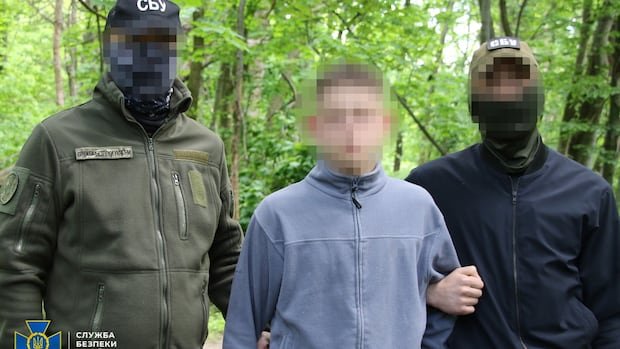

Ukrainian authorities have intercepted a potentially deadly improvised explosive device (IED) designed to be placed at a military center in Kyiv. The bomb, disguised as a blob of beige dough filled with metal nuts, bolts, and nails, was part of a sinister plot involving a local teenager recruited by Russian agents to carry out the attack remotely. This incident is just one of many instances where vulnerable individuals are manipulated by Russia to execute acts of violence in Ukraine.
The use of IEDs and other covert tactics has escalated the shadow conflict between Russia and Ukraine, reminiscent of the global war on terror. Recent events include Ukrainian special forces deploying kamikaze drones deep into Russian territory in a bold operation known as Operation Spider’s Web. Meanwhile, Russia has been leveraging encrypted apps like Telegram to recruit civilians for subversive activities against Ukraine, offering financial incentives to carry out acts of insurgency.
To combat these threats, the Security Service of Ukraine (SBU) has launched educational campaigns to raise awareness, targeting vulnerable groups like teenagers who are susceptible to recruitment by Russian operatives. The SBU has successfully thwarted multiple IED attacks and other violent acts orchestrated by Kremlin-backed spies. However, the conflict continues to escalate, with both sides engaging in covert operations, assassinations, and sabotage.
The resistance movement in Ukraine, led by groups like Rukh Oporu, comprises civilian and paramilitary saboteurs who operate in territories under Russian control. These operatives disrupt Russian military activities through various means, including intelligence gathering, sabotage, and targeted assassinations. Despite the risks and challenges, Ukrainian forces remain resolute in their fight for freedom and peace, emphasizing the importance of upholding international norms and respecting the sovereignty of nations.