

In a significant shift, U.S. President Donald Trump’s position on the Ukraine conflict has veered back towards Russian President Vladimir Putin’s perspective. Recent speculations about a potential hardline stance against Russia or alignment with the European Union have waned since Trump’s remarks at the U.N. General Assembly were seen as more of a temporary deviation than a policy shift.
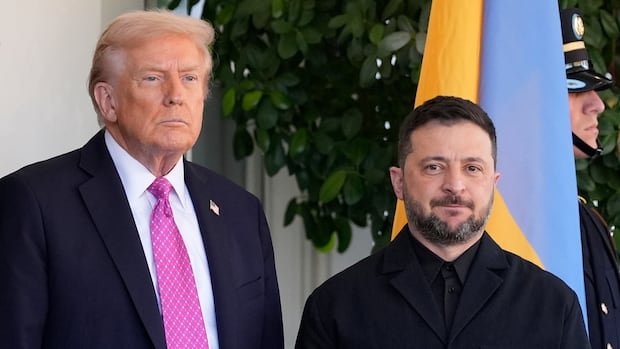
Following discussions around supplying Ukraine with Tomahawk cruise missiles, Trump’s subsequent phone call with Putin led to a reversal on the missile deal during his meeting with Ukrainian President Volodymyr Zelenskyy at the White House. This move aligns with Trump’s prior actions, including halting financial aid to Ukraine, refraining from imposing new sanctions on Russia, and pressuring Zelenskyy to make concessions.
Analysis from Phillips O’Brien, a strategic studies professor at the University of St. Andrews, highlights Trump’s consistent approach of favoring Russia over Ukraine. Reports suggest that Trump, while not publicly humiliating Zelenskyy, privately pressured him to concede territory to Russia during their meeting at the White House.
Global affairs analyst Michael Bociurkiw noted Trump’s susceptibility to Putin’s influence, suggesting that Putin dissuaded Trump from providing Tomahawk missiles to Ukraine. Despite initial hopes for a pro-Ukraine stance, Trump’s recent statements indicate a shift towards maintaining the status quo in Ukraine’s conflict with Russia.
The possibility of a Trump-Putin summit in Hungary adds another layer to the situation, with Zelenskyy expressing reservations about Orban’s hosting given his perceived pro-Putin stance. The ongoing dynamics suggest ongoing challenges for achieving a peaceful resolution to the Ukraine-Russia conflict.