
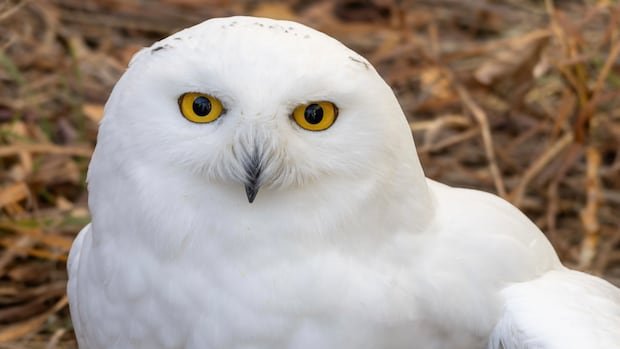

Every year, snowy owls migrate to the Prairies, where they hunt for rodents in open spaces. This year’s migration is significant due to the recent classification of snowy owls as a threatened species. The Committee on the Status of Endangered Wildlife in Canada (COSEWIC) made this designation in May, noting a 40% decline in snowy owl population over the last 24 years.
According to Louise Blight, a COSEWIC birds specialist, snowy owls face challenges such as habitat loss in the Arctic nesting grounds caused by climate change. Warming temperatures are reducing hunting platforms for the owls due to melting sea ice. Additionally, avian influenza poses a threat, with 15 cases reported in snowy owls in Canada since 2021.
During their migrations, snowy owls encounter various hazards, including vehicle collisions, electrocution from power lines, entanglement in human structures, and poisoning from consuming prey exposed to rodenticides. Colin Weir from the Alberta Birds of Prey Foundation highlighted the risks snowy owls face in new areas with man-made hazards.
Snowy owls winter across Canada, with an estimated 15,000 in the country, representing over half of the global population. The International Union for the Conservation of Nature classifies snowy owls as vulnerable due to their declining numbers. Tracking snowy owl populations is challenging due to their nomadic nature, making it hard to survey and confirm population changes.
Efforts to monitor snowy owl numbers may increase following their threatened species designation in Canada. Researchers aim to utilize data from various sources to better understand population trends and conservation needs for snowy owls.