
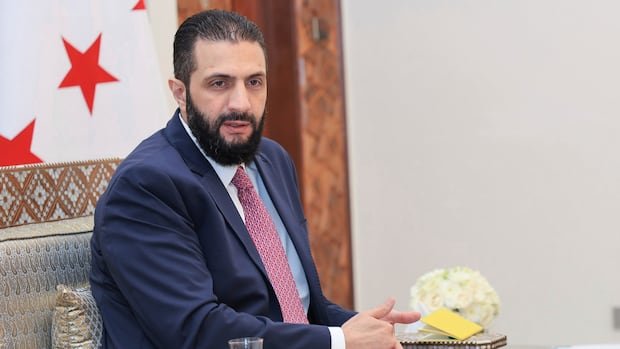

Syria is gearing up for parliamentary elections scheduled for Sunday, marking the first such event since the overthrow of longtime autocratic leader Bashar al-Assad following a rebel offensive in December.
During the Assad dynasty’s five-decade rule, Syria conducted regular elections open to all citizens, but the ruling Baath Party consistently dominated parliament, casting doubt on the credibility of the electoral process.
This upcoming election will not be a completely democratic affair either. While most People’s Assembly seats will be determined by electoral colleges in each district, one-third of the seats will be directly appointed by interim President Ahmed al-Sharaa.
Although not a direct popular vote, the election outcome is likely to reflect the interim authorities’ commitment to inclusivity, especially regarding women and minorities. The process will provide insights into the direction of the political landscape.
The People’s Assembly comprises 210 seats, with two-thirds to be elected and one-third appointed. Electoral colleges across districts will vote for candidates chosen from a pool facilitated by district committees. Some areas such as Sweida province and Kurdish-controlled zones have postponed elections due to tensions, leaving seats vacant.
The largest electoral district, Aleppo, will have 700 members voting for 14 seats, followed by Damascus with 500 members voting for 10 seats. All candidates will emerge from the electoral colleges as the interim government dissolved existing political parties post-Assad.
The absence of a popular vote has sparked criticism, but logistical challenges due to mass displacement during the civil war have hindered the organization of such a vote. The current parliament’s 30-month term aims to pave the way for a future popular vote.
Questions arise about the lack of clear criteria for elector selection, potential manipulation risks, and concerns over inclusivity for women and minorities in the parliament. The absence of set quotas raises doubts about adequate representation for various communities, especially those not part of the Sunni Arab majority.
Officials argue that the presidential appointments could enhance legislative inclusivity if the electoral colleges fail to reflect diversity adequately. Challenges persist, particularly in representing excluded areas like Sweida and the northeast, reflecting ongoing political tensions.