
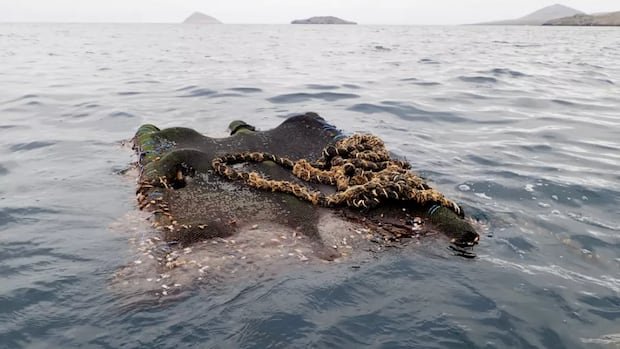

New Canadian research reveals that fish aggregating devices (FADs), used to assist in catching tuna for consumption, are causing harm to coral reefs and wildlife, including protected marine areas. Despite regulations prohibiting fishing in these regions, drifting FADs have infiltrated over 1,500 marine protected areas globally. These devices are primarily employed to capture smaller tropical tuna, particularly skipjack, which are commonly canned for sale.
Typically the size of a boardroom table, drifting FADs are constructed from wood or bamboo with plastic components. In the past, mesh nets were utilized beneath the rafts to attract fish, but due to entanglement risks to wildlife, these were globally banned in 2025 and replaced with ropes. The FADs serve as a gathering point for small fish seeking shelter, ultimately attracting larger predators like tuna, making them easier to catch using purse seine nets deployed by fishing vessels.
Approximately 100,000 FADs are released into the ocean each year, with around 90% eventually becoming lost. These devices, designed for temporary use, can drift for up to five years before settling or being stranded. However, when they stray into marine protected areas, they can cause significant damage to coral reefs, leading to plastic pollution and endangering marine species like sharks and turtles. The accumulation of FADs in certain regions poses a threat to local wildlife, requiring costly cleanup efforts by communities.
Efforts to mitigate the impact of FADs include sustainability certifications like the Marine Stewardship Council, which incentivizes fishing companies to adopt eco-friendly practices. Recent innovations, such as the development of biodegradable “jelly FADs” made from bamboo and cotton, aim to reduce environmental harm. Recommendations to limit FAD deployment, avoid stranding-prone areas, and promote the retrieval of old devices at fishing companies’ expense are also suggested to protect marine ecosystems.
Public awareness and ongoing research play a crucial role in addressing the environmental consequences of FADs, prompting the industry to adopt more sustainable fishing practices. Collaborative efforts between fishing fleets, environmental organizations, and regulatory bodies are essential to safeguard marine habitats and wildlife from the detrimental effects of drifting FADs.