
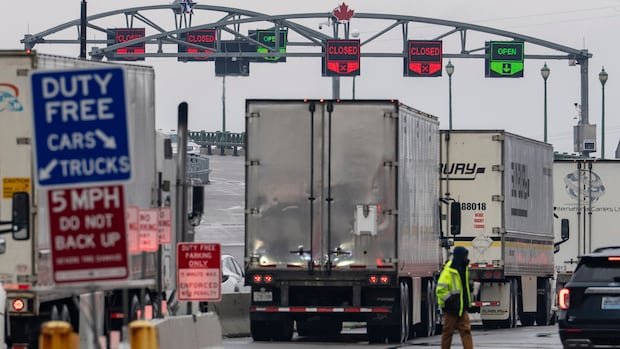

Enforcement of cross-border cargo regulations has significantly increased during the Trump administration, leading to delays and higher costs, according to industry experts. As the U.S. implements more tariffs, customs procedures have become stricter, causing challenges for shippers.
Breanna Leininger, in charge of U.S. operations at Pacific Customs Brokers in Vancouver, noted a tenfold rise in demands for documentation on shipped goods compared to previous years. The scrutiny on product classifications and trade agreements has intensified, requiring importers to provide extensive paperwork like labor and manufacturing records to prove compliance.
Statistics from U.S. Customs and Border Protection reveal a 26% increase in audits this year compared to 2024. Importers have faced escalating penalties, with authorities collecting $70.6 million in trade penalties in the first half of the year, a significant jump from previous years.
This heightened enforcement coincides with a growing trade dispute between Canada and the U.S., resulting in additional tariffs imposed by both countries. The increased border checks and paperwork requirements have led to higher expenses and deterred cross-border trade.
Alan Dewar, from customs brokerage GHY in Winnipeg, highlighted the added costs and delays faced by drivers due to the stricter enforcement measures. Some businesses have found it challenging to navigate these changes, with some even giving up.
U.S. Customs and Border Protection stated that their trade enforcement approach is based on risk assessment and compliance with statutory requirements. Importers are urged to provide accurate information to facilitate smoother customs procedures.