
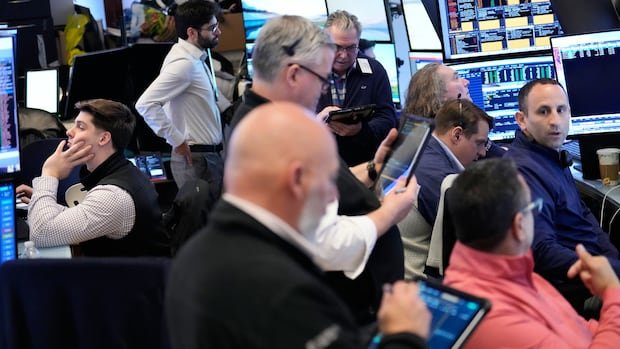

Stocks experienced significant declines on Thursday while oil prices saw an increase, as optimism waned on Wall Street regarding a potential resolution to the U.S.-Israeli conflict with Iran.
The S&P 500 recorded a 1.7% drop, marking its worst performance since January and signaling a potential fifth consecutive week of losses. This losing streak, which predates the conflict that began on February 28, would be the longest in almost four years.
The Dow Jones Industrial Average fell by 469 points, or 1%, while the Nasdaq composite plunged by 2.4%, dipping more than 10% below its previous record high earlier this year, reaching what investors term a “correction.”
Global stock markets also faced declines across Asia and Europe. This volatility follows a week that commenced with optimism after U.S. President Donald Trump mentioned positive discussions aimed at resolving the conflict. However, Iran refuted any ongoing direct talks and rejected a U.S. ceasefire proposal relayed through Pakistan.
Amid ongoing hostilities, additional U.S. troops moved towards the region while Iran tightened control over the critical Strait of Hormuz. The strait, a key passage for approximately 20% of the world’s oil exports, was potentially being turned into a bottleneck for tanker traffic.
Brent crude oil prices surged by 4.8% to settle at $101.89 per barrel, reflecting diminishing hopes for the strait’s return to normalcy. This price increase, up from around $70 before the conflict, was accompanied by benchmark U.S. crude rising by 4.6% to $94.48 per barrel.
President Trump initially issued stern warnings to Iran’s negotiators on Thursday; however, he later tempered his rhetoric by delaying threats to target Iranian power facilities until April 6 to allow for further dialogue. Trump emphasized that talks were progressing well, refuting erroneous media reports suggesting otherwise.
Consequently, oil prices moderated their gains, with Brent crude edging back towards $100 per barrel. Additionally, Treasury yields, which surged in the bond market, also retraced some of their significant increases.
The 10-year Treasury yield rose to 4.43% on Thursday from 4.33% a day prior and 3.97% before the conflict commenced. This notable leap in bond rates has already led to higher mortgage and loan rates for U.S. households and businesses, potentially slowing economic growth.
Moreover, a report indicated a slight increase in U.S. workers filing for unemployment benefits, though the figures remained relatively low historically. Wall Street’s hopes for an interest rate cut this year have dwindled due to concerns about exacerbating inflation, particularly heightened by the surge in oil prices.
Tech stocks notably contributed to the market’s decline, with Meta Platforms dropping by 8% and Alphabet by 3.4% following legal setbacks. Other major tech companies, including Nvidia and Amazon, also faced declines, while Apple saw a marginal uptick of 0.1%.
In summary, the S&P 500 closed down by 114.74 points at 6,477.16, marking a 7.2% decline from its recent peak. The Dow Jones Industrial Average fell by 469.38 points to 45,960.11, and the Nasdaq composite dropped by 521.74 points to 21,408.08.
International markets also experienced losses, with Germany’s DAX, Hong Kong’s Hang Seng, and South Korea’s Kospi all registering declines, while Japan’s Nikkei 225 reported a more modest decrease of 0.3%.