

The first actor ever to achieve back-to-back Oscars did so in a unique manner. Spencer Tracy clinched his initial award for the 1937 film “Captains Courageous,” where he portrayed a Portuguese fisherman tasked with guiding a rebellious youngster who craved a caring paternal figure. The following year, Tracy secured another win for “Boys Town,” a movie inspired by the true story of a compassionate Catholic priest who established a boarding school for underprivileged street children.
Tracy’s humility was evident when he expressed that the Oscar rightfully belonged to the real-life Father Flanagan during his acceptance speech and even presented the statuette to him. This historical context sheds light on the significance of films like “Steve” and our fascination with them. Unlike “Boys Town,” the recent movie featuring Cillian Murphy, which premiered at the Toronto International Film Festival and is set for release on Netflix, is not based on real events.
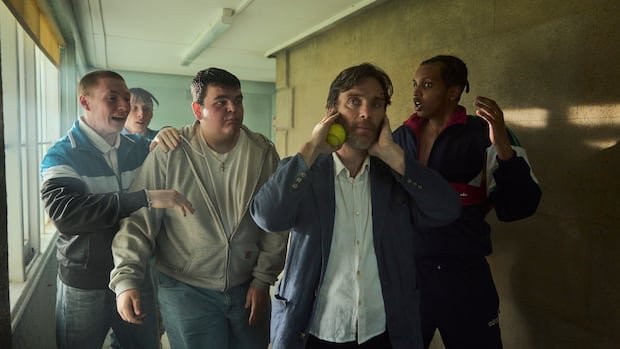
“Steve” is an adaptation of Max Porter’s novella/prose poem “Shy,” exploring themes of depression and abuse in a complex and experimental narrative. Directed by Tim Mielants and written by Porter, the film faces significant challenges in translating the intricate source material. In “Steve,” Cillian Murphy portrays the titular character, a compassionate headmaster striving to maintain a government-funded school for troubled youths while navigating personal struggles.
The film delves into the students’ deep traumas, capturing their diverse responses to introspective questions. As the story unfolds, the impending closure of Stanton Wood poses a threat to the students, particularly Shy, who spirals into a dark emotional abyss. “Steve” aligns with a genre of films centered on defiant youths in challenging environments, resonating with audiences through its raw portrayal of human struggles.
The movie’s authentic portrayal of disaffected youth, led by a stellar cast, and Murphy’s nuanced performance elevate the narrative. “Steve” adopts an impressionistic storytelling approach, blending documentary-style footage with realistic scenes to immerse viewers in the characters’ world. The film’s fragmented narrative mirrors the complexities of trauma and human experiences, reminiscent of literary works like “Skippy Dies.”
While “Steve” captures the essence of its source material, its rapid pacing occasionally undermines the emotional depth of the characters’ arcs. Nevertheless, the film’s exploration of resilience in the face of adversity and the pursuit of hope amidst despair resonates with audiences. Despite its imperfections, “Steve” offers a compelling reflection on the enduring struggle of individuals to find solace in a world fraught with challenges.