
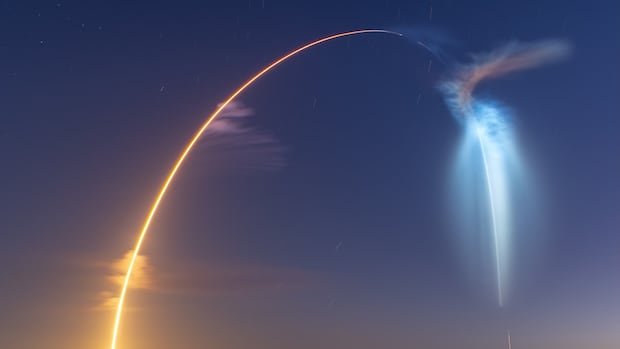

Most individuals tend to focus on short-term thinking rather than considering long-term issues like air pollution, deforestation, and emissions. This is why scientists are alarmed by a recent proposal from SpaceX to deploy one million satellites, essentially data centers, into Earth’s orbit. Concerns include the loss of the natural night sky, restricted access to space, and the potential environmental impact on our atmosphere.
Currently, there are approximately 16,000 satellites orbiting Earth, with SpaceX accounting for over 8,000 of them. The company regularly launches more than two dozen satellites twice a week, constantly altering this count as they deorbit old satellites and launch new ones.
SpaceX aims to have around 40,000 Starlink satellites in orbit to provide global internet connectivity, even in the most remote areas. However, this massive satellite presence, combined with the existing space debris of over 140 million pieces, poses risks to astronauts and satellite operations like GPS.
Experts are worried about the implications of adding a million more satellites into orbit, emphasizing the detrimental effects on the long-term health and sustainability of space use. Concerns extend to the environmental impacts of rocket launches, such as depositing black carbon and soot into the atmosphere, potentially affecting the ozone layer.
While SpaceX claims the data centers won’t harm the environment on Earth, the proposal has sparked public outcry. Many comments submitted to the U.S. Federal Communications Commission (FCC) express opposition to the plan, citing various concerns.
The increasing number of satellites in orbit not only raises collision risks but also threatens observational astronomy by obstructing views with light pollution. SpaceX’s plan to operate satellites at altitudes of 500 to 5,000 km could interfere with ground and space-based observatories, impacting scientific research and stargazing experiences.
Efforts to reduce satellite brightness and work with astronomical organizations have been made, but the sudden proposal of launching a million satellites has surprised and disappointed many astronomers. SpaceX is not alone in planning large-scale satellite deployments, as other companies and countries also have ambitious projects in the pipeline.
While not all proposed satellite launches may materialize, the cumulative impact of even a fraction of these projects could significantly alter Earth’s night sky and space environment. The global repercussions of these initiatives underscore the need for careful consideration and responsible space management to safeguard our planet and future access to space.