

In the realm of online content, there is a rise of what is termed as “slop,” which refers to eerie, quirky, and blatantly fabricated material. This term gained significant traction and was chosen as Merriam-Webster’s word of the year for 2025, largely due to the widespread use of generative artificial intelligence technology.
According to Greg Barlow, the president of Merriam-Webster, “slop” is a fitting term that encapsulates the essence of low-quality digital content churned out in abundance through artificial intelligence tools. This content includes bizarre videos, unconventional advertising visuals, misleading propaganda, seemingly authentic fake news, and poorly crafted AI-generated literature.
The emergence of AI video generators like Sora has amazed many with their capacity to swiftly produce realistic videos based solely on textual cues. However, the proliferation of such content on social platforms, depicting altered images of celebrities and deceased personalities, has sparked concerns regarding misinformation, deepfakes, and copyright infringement issues.
Although such content has been present online for a while, the current accessibility of these tools has enabled their utilization by political figures for various agendas. An example of this misuse was seen when U.S. Defence Secretary Pete Hegseth shared a manipulated image of a popular cartoon character, transformed into a militant figure, to justify certain military actions. This act triggered backlash from online communities and drew criticism from the original books’ publisher.
Despite the unsettling connotations associated with the term “slop,” Barlow believes it also signifies a sense of optimism. He suggests that the increased interest in this word reflects a heightened awareness among people regarding counterfeit or substandard content and a growing desire for authenticity and credibility in digital spaces.
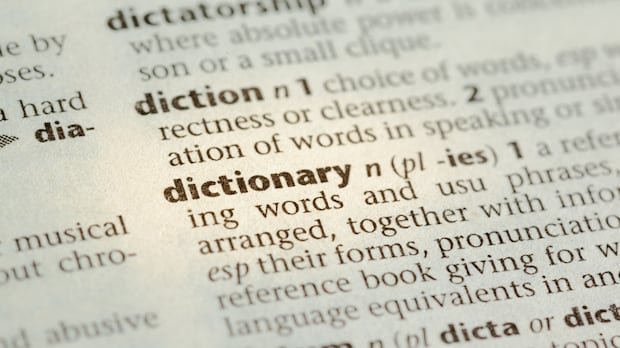
The selection of the word of the year is a meticulous process at Merriam-Webster, with editors analyzing search trends and usage data to pinpoint a term that best encapsulates the prevailing sentiments of the year. Barlow emphasized that the chosen word serves as a reflection of societal dynamics and evolving language trends.
In addition to the word of the year, Merriam-Webster highlighted other frequently searched terms in 2025, such as “performative,” “gerrymander,” and the enigmatic “6-7.” The latter term gained immense popularity, originating from a song by rapper Skrilla and gaining traction as an internet meme without a clear definition, showcasing the influence of social media on language evolution.
In conclusion, the evolution of language and the impact of technology on communication continue to shape linguistic trends and define the vocabulary that reflects our contemporary society.