

In 2024, a team of scientists penned a document cautioning about the potential transformation of life on Earth, not towards extinction but rather a novel genesis. This concept revolves around chirality, the orientation of cellular structures, explored in the sci-fi mystery “Pluribus” by Vince Gilligan, known for “Breaking Bad.” Chirality refers to the arrangement of life’s fundamental components as either left-handed or right-handed, suggesting the existence of opposing versions that could create mirror life, an unnatural entity resistant to breakdown and lacking natural predators or immune threats.
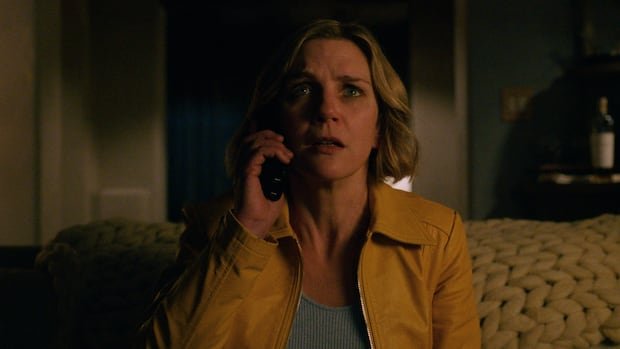
“Pluribus,” a successor to Gilligan’s “Breaking Bad” Expanded Universe, features Rhea Seehorn from “Better Call Saul” as Carol Sturka, an author entangled in a tumultuous personal and global upheaval related to a mirror life-like phenomenon reshaping the world. The narrative unfolds as Carol grapples with unforeseen changes catalyzing a quest for restoration against mysterious forces.
The show encapsulates themes of transformation and resistance within a revamped visual style marked by sleek aesthetics and a somber ambiance. Amidst a backdrop of vivid imagery, the storyline navigates familiar science fiction terrains while posing existential and ethical inquiries akin to notable literary works. Despite employing some conventional storytelling elements, “Pluribus” delivers an engaging and contemplative viewing experience, prompting viewers to ponder the complexities of happiness, sacrifice, and value in a narrative that promises binge-worthy intrigue and profound introspection.