
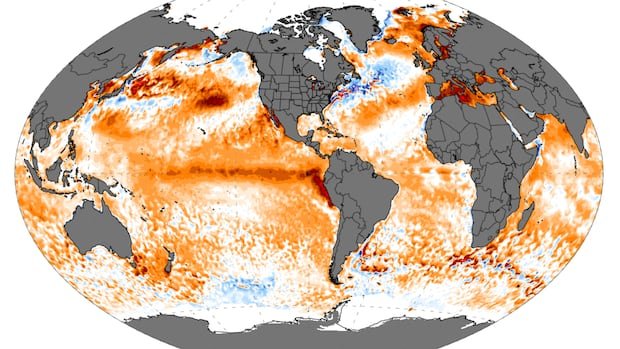

Meteorologists announced the emergence of El Niño, a natural climate phenomenon originating in the Pacific Ocean, which is expected to reach historic intensity. This warming trend, combined with the ongoing global warming caused by fossil fuel emissions, is likely to exacerbate extreme weather events worldwide. The U.S. National Oceanic and Atmospheric Administration (NOAA) confirmed the development of El Niño, a phenomenon that influences weather patterns globally.
NOAA’s assessment indicates a 63% probability that the El Niño will intensify significantly during late fall and early winter, potentially becoming one of the most powerful events recorded since 1950. El Niño’s warm waters impact weather systems by releasing substantial heat to the surface, leading to extreme weather conditions across various regions, according to climate scientist Abby Frazier.
United Nations Secretary-General Antonio Guterres emphasized the urgent climate implications of El Niño, warning that it will exacerbate the challenges posed by a warming planet. The effects of El Niño vary by region, with potential winners and losers. While the Atlantic hurricane season may see reduced activity, the Pacific region could experience heightened hurricane risks. The Middle East may benefit from decreased drought conditions, but other areas face increased threats, such as heavy rain and floods in western South America and intense heat waves in India.
In the U.S., El Niño typically results in more intense storms and increased rainfall in southern regions, benefiting the agriculture industry. The northern Rockies and Southwest regions, currently experiencing severe snow shortages, may receive substantial summer precipitation. The impact in the U.S. is most pronounced during winter, with wetter conditions in the south and warmer, drier weather in the Pacific Northwest.
The severity of weather events triggered by El Niño depends on its development timing, typically forming in summer, peaking in late fall or early winter, and dissipating by spring. This year’s El Niño is forecasted to peak earlier and potentially last longer based on early indications, according to climate scientists. Forecasts suggest that global warming trends may lead to more intense El Niños in the future, underscoring the importance of preparedness.
Overall, the emergence of this powerful El Niño underscores the need for proactive measures to mitigate its potential impact on various regions worldwide.