
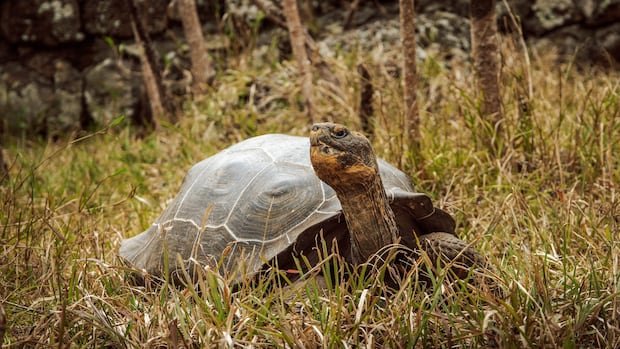


After an absence of over 180 years, giant tortoises have been reintroduced to Floreana Island in the Galápagos archipelago of Ecuador.
The release of 158 juvenile hybrids onto the island marks a significant milestone, as the species had faced extinction due to historical factors such as whalers, a devastating fire, and human exploitation in the 1840s.
Describing the event, conservation biologist James Gibbs compared it to witnessing his own children’s first steps, highlighting the enthusiasm of the young tortoises as they eagerly explored their new surroundings on the island.
The released tortoises, expected to reach up to 600 pounds in the next couple of decades, are part of a larger plan to gradually introduce a total of 700 tortoises to Floreana. These juveniles carry a significant genetic resemblance to the extinct Floreana species, according to Christina Sevilla, the director of ecosystems at the Galapagos National Park.
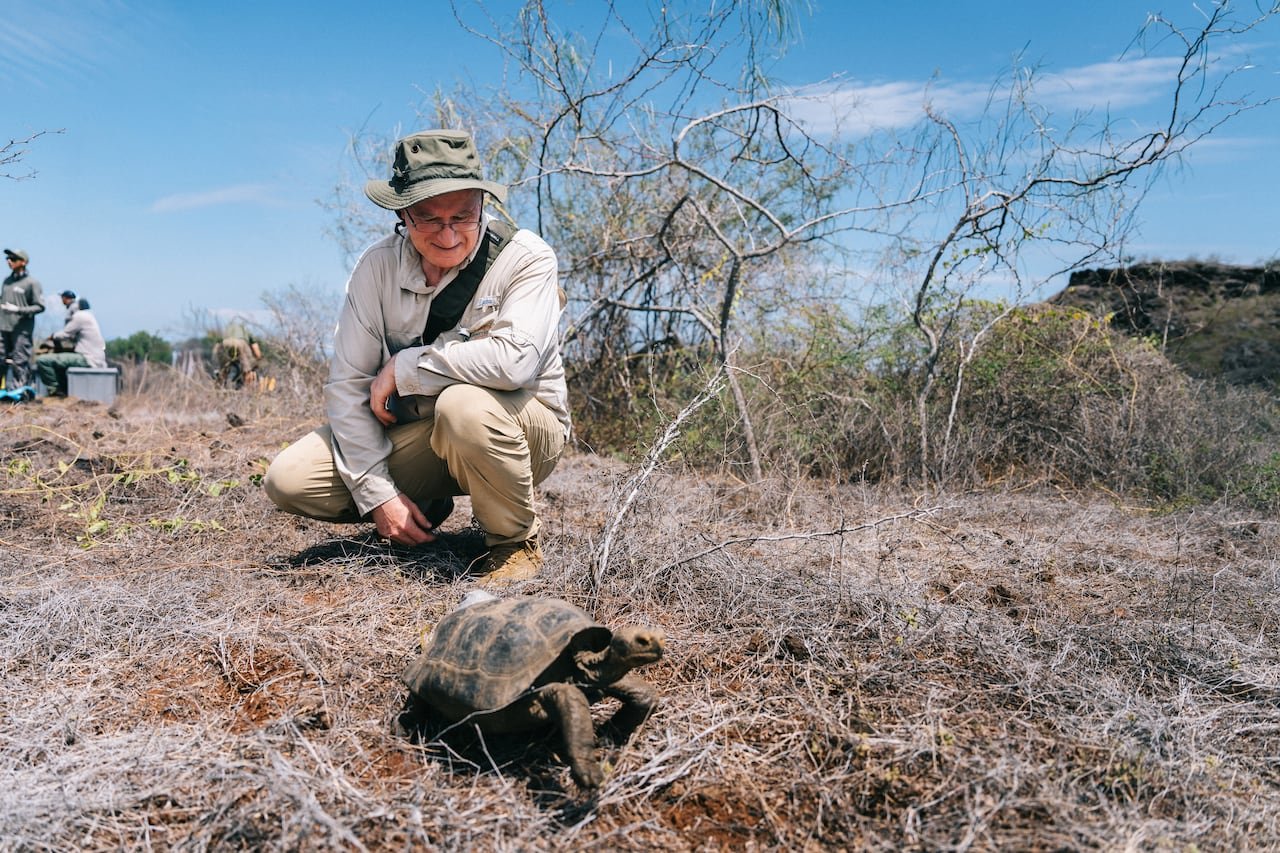
Reintroducing a species with a strong genetic connection to the original inhabitants is crucial for the island’s ecosystem, emphasized biologist Washington Tapia, highlighting the significance of rebuilding the lost lineage rather than merely increasing population numbers.
The young tortoises, ranging from eight to 13 years old and weighing between 30 to 50 pounds, are expected to contribute to the restoration of the island’s ecosystem over time, given their potential lifespan of over a century.
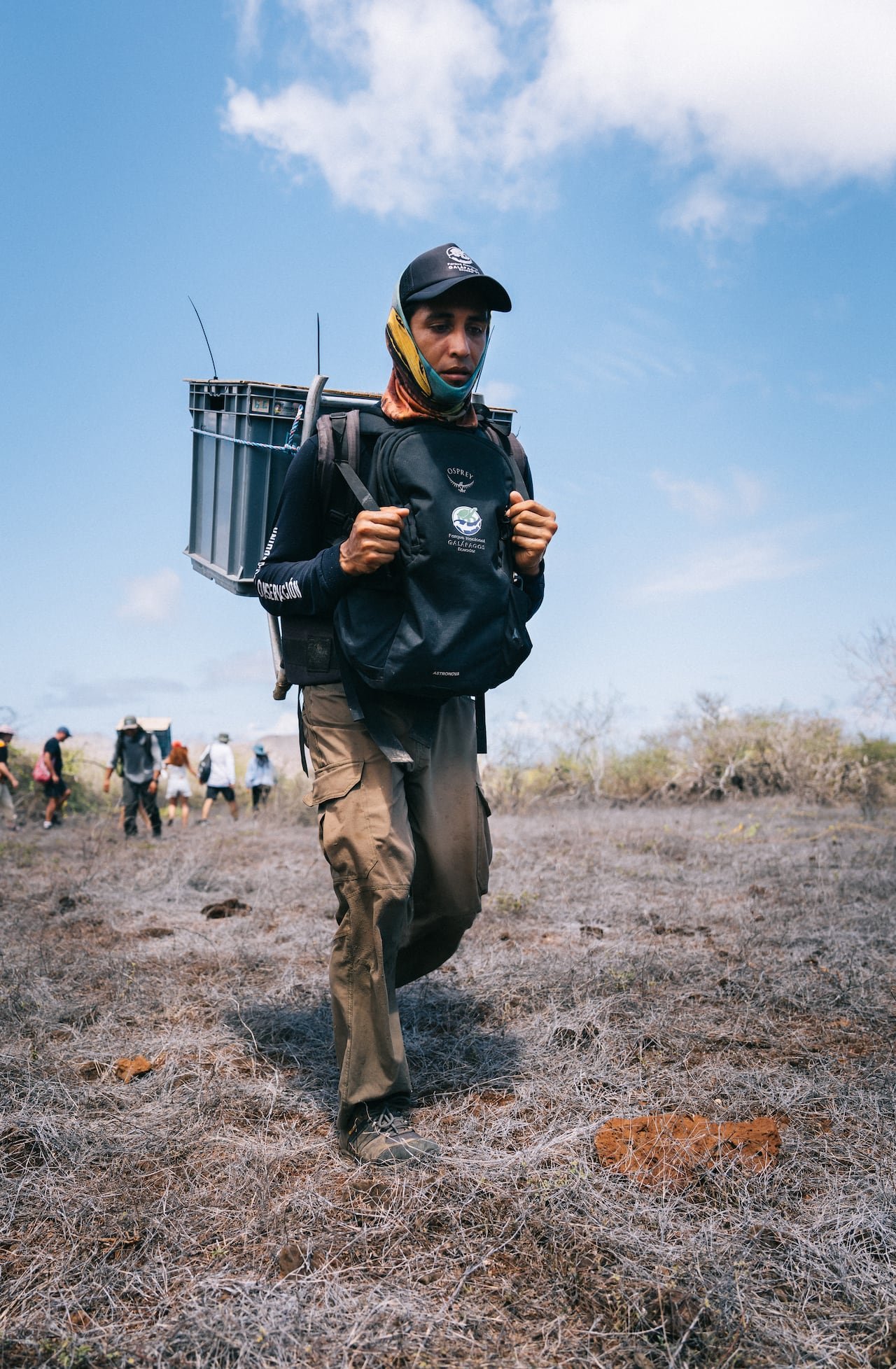
The release
The release operation involved physically transporting the tortoises to their designated sites on the island, with the animals now coexisting with the local human population and various wildlife species, including