
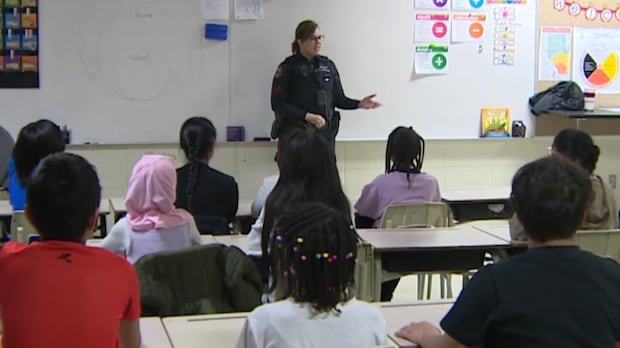

As the new school year begins, Heather Brown, a high school principal in Saanich, British Columbia, is pleased to see police officers returning to Greater Victoria School District 61. Two years ago, the district ended its School Police Liaison Officer (SPLO) program, leaving administrators like Brown feeling disconnected from a valuable resource. Previously, SPLOs collaborated with schools to support students involved in gang activities, a prevalent issue in the area. Brown emphasized the positive impact they had in helping troubled teens with the assistance of family and community backing.
After the discontinuation of SPLOs, seeking police aid meant dealing with unfamiliar personnel lacking the same relationships with youth, as Brown highlighted. This change mirrored a broader trend across Canada, where schools phased out police officer programs due to students feeling uncomfortable or intimidated. However, with recent reports of increased violence in schools, these programs are making a comeback, eliciting mixed reactions from various stakeholders.
Chief Constable Dean Duthie of the Saanich Police Department emphasized the goal of building relationships through police visits to schools. Despite critics questioning the effectiveness of these interactions, supporters believe that officers can serve as a bridge between communities and law enforcement, promoting trust and understanding. Lisa Gunderson, a parent advocate, stressed the importance of ongoing collaboration and training for officers to address the diverse needs of students and communities effectively.
In conclusion, the reintroduction of police officers in schools aims to enhance safety and community engagement, with proponents advocating for improved relations between law enforcement and students. However, concerns persist regarding the impact on marginalized groups and the need for transparent oversight and inclusive practices within these programs.