
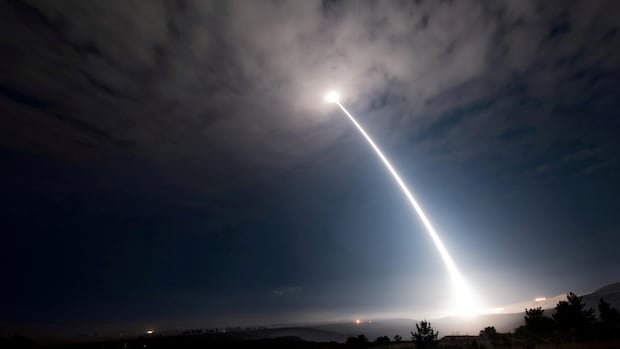

After a prolonged period of inactivity, nuclear weapons testing has reemerged as a significant topic of conversation. Recent events include Russia’s test of a nuclear-powered missile without detonating an actual bomb, prompting President Donald Trump to announce the resumption of nuclear testing in the U.S.
Since the beginning of the 21st century, North Korea stands as the sole country to have conducted nuclear weapons tests, all of which were carried out underground. The last nuclear test by the U.S. dates back to 1992, while Russia’s most recent test occurred in 1990, with China ceasing testing in 1996.
Historically, some of the most notable nuclear tests were conducted in the late 1940s and 1950s in open-air environments, generating iconic and chilling images associated with the nuclear era. Notably, the aftermath of these tests, such as those on Bikini Atoll, continues to pose risks due to radioactive fallout, rendering the area uninhabitable.
The era of atmospheric testing effectively ended in 1963 with the implementation of the Partial Test Ban Treaty by the U.S., Soviet Union, and other nations. Although lacking stringent verification mechanisms, the treaty successfully curtailed nuclear testing activities. France persisted in above-ground testing until 1974, with China following suit until 1980.
While underground testing continued among major powers into the 1980s to contain radioactive fallout, global efforts to halt testing altogether gained momentum. The U.S. enforced a testing moratorium in 1992, and in 1996, the Comprehensive Nuclear-Test-Ban Treaty was adopted by the United Nations, prohibiting nuclear test explosions in any environment.
Despite the establishment of a global monitoring system under the treaty to detect nuclear tests, its entry into force remains pending due to insufficient ratifications from key nuclear powers and other states. Recent remarks by a Russian advisor suggesting annual nuclear weapon testing for intimidation purposes have raised concerns, although no concrete evidence supports this claim.
Recent developments, including Russia’s testing of a nuclear-powered missile and an underwater drone capable of delivering a potent nuclear strike, have reignited concerns about nuclear testing activities. The U.S. response remains uncertain, with indications that underground testing could potentially resume if deemed necessary, despite previous calls for nuclear threat reduction by President Trump.