
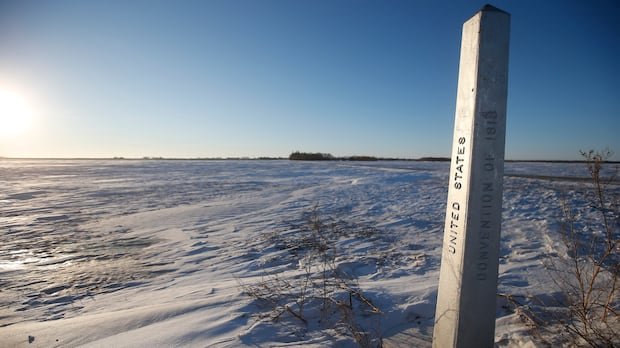

Illegal border crossings at the North Dakota and Minnesota border with Canada are on the decline, but concerns persist among U.S. authorities regarding human trafficking leading to fatalities in the harsh winter season. Scott Garrett, chief patrol agent for the Grand Forks Sector of U.S. Customs and Border Protection, emphasized the callousness of human smugglers who prioritize profit over human lives. The Grand Forks Sector oversees approximately 1,400 kilometers of the international border shared by North Dakota and Minnesota in the U.S., along with the Canadian provinces of Saskatchewan, Manitoba, and Ontario.
Despite consistent warnings, illegal migrants continue to risk their lives crossing the border, ill-prepared for the extreme cold. Garrett highlighted the dangers migrants face, including the underestimated severity of the cold, inadequate clothing, and the rapid onset of frostbite or hypothermia.
Efforts to raise awareness about the risks involved in illegal crossings were showcased during a recent news conference in Warroad, Minn., where Customs and Border Protection demonstrated the equipment utilized by the Grand Forks division for border patrols. Garrett stressed the impact of these efforts, noting a 60% decrease in illegal crossings from Canada into the U.S. attributed to the enforcement of immigration laws by the Trump administration.
Collaborative efforts with the RCMP and the Canada Border Service Agency have contributed significantly to reducing illegal cross-border traffic in both directions. Manitoba Conservation officers have intensified patrols along the border, focusing on secondary roads and backcountry areas between ports of entry.
The enhanced resources provided to U.S. border agents in North Dakota and Minnesota, such as infrared surveillance cameras, ATVs, and drones, have bolstered their effectiveness in detecting border crossers. Despite a 20% decrease in illegal traffic from the U.S. into Canada within the Grand Forks Sector, the mission remains focused on safeguarding national security and preventing human smuggling.
Scott Garrett highlighted that citizens from Mexico, India, and Romania constitute the largest groups of illegal crossers in the Grand Forks Sector, with families and children often among those apprehended. Tragic incidents, like the deaths of a family of four from India found frozen near the U.S. border, underscore the perilous consequences of illegal border crossings.
The continuous threat of human smuggling underscores the ongoing challenges faced by border patrol agents, particularly in rural areas and frozen rivers commonly used by smugglers during winter. Despite the progress made, the commitment to protecting national security remains unwavering, with a strong emphasis on preventing further loss of life.
Garrett reiterated the critical importance of addressing the dangers posed by illegal crossings, emphasizing that even a single death is unacceptable. The unwavering dedication of border patrol agents to safeguarding lives and securing the border persists as they remain vigilant against the threat of human trafficking.