
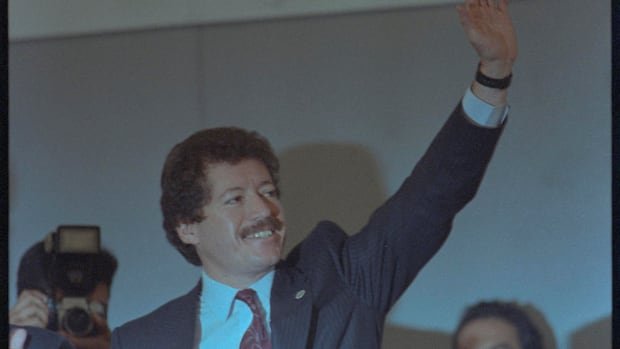

At El Califa de Leon in Mexico City, a framed newspaper page with a sketched portrait of the assassinated presidential candidate Luis Donaldo Colosio is on display alongside two red Michelin star plaques. Colosio, a reformist figure on the verge of winning the presidency in 1994, holds a significant place in Mexico’s collective memory, akin to the impact of President John F. Kennedy’s assassination in the United States.
Chef Angel Rodríguez Ávila, from El Califa de León, recalled serving Colosio at the taco stand, where the candidate frequented alone or with companions before being fatally shot during a campaign event in Tijuana. The recent arrest of a 64-year-old man, Jorge Antonio Sánchez Ortega, in connection with Colosio’s murder has added complexity to this historic event.
The current Mexican administration, led by President Claudia Sheinbaum, challenges the long-standing official narrative surrounding Colosio’s assassination. The potential prosecution of Sánchez Ortega could support a theory that suggests internal actors or state-connected individuals were involved in Colosio’s death.
Despite multiple investigations implicating Mario Aburto as the sole shooter, doubts persist in popular opinion. Questions surrounding the possibility of a second shooter, possibly Sánchez Ortega, have resurfaced. The Sheinbaum administration is actively pursuing a different narrative, linking Sánchez Ortega to the second-shooter theory, suggesting a cover-up by former government officials.
The evolving investigation seeks to shed new light on the events of 1994, a pivotal moment in Mexican politics that led to significant changes within the country’s political landscape. The quest for justice and truth in the Colosio case continues to resonate with those who remember the tragic event that altered Mexico’s history.