
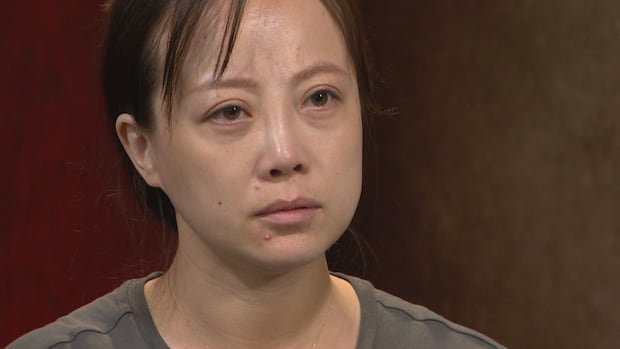

TingTing Biao experienced a devastating loss, losing her life savings in an immigration scam that left her destitute. The situation was so dire that all she could provide her child was a donated loaf of bread. Instead of finding a new beginning in Canada, Biao found herself back in China, shattered and warning others about the nightmare she endured.
In January, Biao and her husband traveled to Canada on tourist visas with their young daughter, aiming to explore the possibility of settling in the country permanently. They engaged with Jun Su and June HR Solutions in Saskatoon, based on a friend’s recommendation, believing the Chinese agent would offer trustworthy immigration services.
Su, who is not a licensed immigration consultant, presented Biao with a seemingly clear path to permanent residency at an exorbitant cost of up to $110,000. Biao paid $40,000 before realizing the inflated fees were unjustifiable. According to an expert, typical immigration consultant fees for a similar process range from $5,000 to $10,000.
Biao’s contract with June HR Solutions outlined payments totaling $110,000 for various immigration steps, culminating in permanent residency. However, the process led Biao to dead ends, with her work permit application being rejected due to concerns about her intention to leave Canada.
Su then proposed a costly alternative route, urging Biao to invest $100,000 in a business in the Northwest Territories, despite Biao lacking the necessary qualifications. Realizing the deception, Biao terminated the contract, depleting her savings and returning to China with shattered dreams.
Most of Biao’s interactions were with Su, an unregulated consultant, who provided guidance through WeChat messages. While Su’s husband is a licensed consultant, he is not authorized to practice law in Saskatchewan.
Despite declining an on-camera interview, Su defended her actions, claiming to assist her husband and set fees based on market standards. Biao’s case underscores the rampant lack of oversight in the immigration consultancy industry, leaving vulnerable individuals at the mercy of unscrupulous practices.
Immigration lawyer Richard Kurland highlighted the urgent need for regulatory reforms to protect individuals like Biao from exploitation. He emphasized the importance of implementing stronger oversight mechanisms, publishing fee ranges, and empowering regulatory bodies to enforce penalties.
Biao’s harrowing experience continues to haunt her, as she grapples with the aftermath of the scam. Her story serves as a cautionary tale, urging others to be vigilant against fraudulent immigration schemes that prey on vulnerable newcomers.