
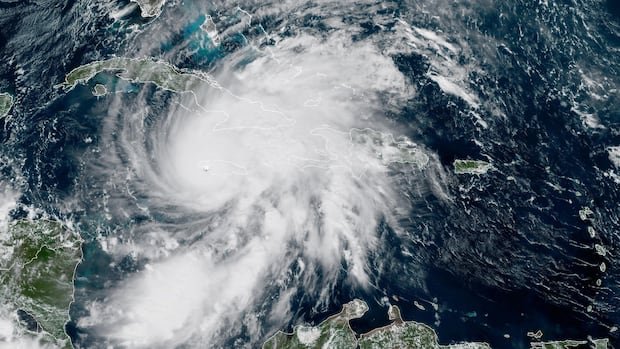

Millions of individuals throughout the Caribbean are grappling with the severe impacts of Hurricane Melissa, which swept through the region recently. Characterized by rapid intensification, where a storm’s maximum sustained wind speed escalates by 51 km/h within 24 hours, Melissa notably fortified by 112 km/h during the same timeframe, leading to what experts are labeling as extreme rapid intensification.
The ongoing trend of burning fossil fuels and releasing CO2 into the atmosphere continues to elevate the planet’s temperature, resulting in various alterations in weather patterns and the global climate. Scientists are increasingly delving into the examination of climate change’s influence on extreme weather occurrences such as droughts, floods, and hurricanes. Notable organizations, including Environment and Climate Change Canada and ClimaMeter, have conducted analyses attributing Hurricane Melissa to a combination of climate change and natural variability.
Research indicates that hurricanes akin to Melissa are approximately 10% wetter and windier than in previous years due to climate change. The rising temperatures in oceans, fueled by human-induced heat absorption, serve as a catalyst for hurricanes. The Caribbean Sea’s temperature, for instance, is currently 1.4°C to 2°C warmer than average, significantly amplifying the likelihood of rapid intensification in hurricanes.
Further independent assessments, like the one by Imperial College London’s Grantham Institute, utilizing the Imperial College Storm Model (IRIS), revealed that climate change boosted Melissa’s wind speed by around 7%, equivalent to an 18 km/h increase. While emphasis is often placed on the swift intensification of hurricanes, experts underscore that the critical factor lies in the storm’s severity as it nears land, potentially escalating to a Category 6, despite the absence of such a classification due to the anticipated catastrophic outcomes.
Analyses also suggest that events like Hurricane Melissa have become approximately four times more probable in comparison to pre-industrial eras. The destructive potential of hurricanes is exacerbated by climate change, with a weaker hurricane without climate change estimated to be 12% less damaging. These findings collectively underscore the significant impact of climate change on hurricanes.
In conclusion, the evolving landscape of hurricanes as a result of climate change highlights the necessity for heightened awareness and proactive measures. As the warming trend persists, the implications on hurricane behavior and intensity necessitate a reevaluation of adaptation strategies. The limitations of adapting to extreme weather events, particularly Category 5 hurricanes, underscore the urgency for concerted global efforts to mitigate climate change and its cascading effects.