
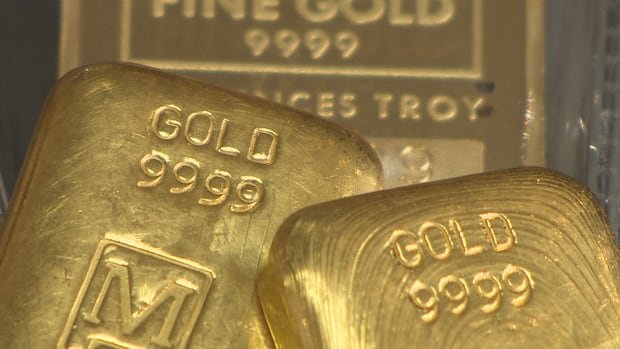

Gold surged past the $5,000 mark per ounce for the first time, with silver also rising to $110 per ounce due to various geopolitical tensions impacting the U.S. dollar. The demand for precious metals has been on the rise as investors search for secure investment options.
Daniela Hathorn, a senior market analyst at Capital.com, emphasized that as long as uncertainties like fiscal dominance, geopolitical fragmentation, and central bank credibility persist, precious metals are likely to remain attractive not only as hedges but also as alternatives.
The U.S. dollar experienced a significant drop to its lowest level since mid-November after the Japanese yen saw a 1.5% increase in Europe. While the dollar had been strengthening against the yen in recent months, the trend reversed following indications from Japan and the U.S. about potential interventions to bolster the yen.
The yen saw a sharp rebound based on expectations of intervention by Japanese authorities, possibly in coordination with the U.S., according to senior analyst Ipek Ozkardeskaya from Swissquote. The yen has been under pressure since Sanae Takaichi became Japan’s prime minister, with concerns rising over increased spending and tax cuts ahead of an upcoming election.
As the U.S. dollar continued to weaken against major currencies, gold reached a new record high, attracting more investments amid heightened volatility. Gold prices rose by 2.1% to $5,089 per ounce, while silver also surged by almost seven percent to $110 per ounce.
Chris Scicluna, an economist at Daiwa Capital Markets, highlighted the significance of potential U.S. involvement in the Japanese currency market. He pointed out that a weakening U.S. dollar could have broader implications for Asian currencies and increase the trend of portfolio diversification away from the U.S.
Global markets showed a mixed response, with some declines in European shares while U.S. markets opened higher. Concerns over Trump’s threats against Canada regarding tariffs added to market volatility, with investors closely monitoring upcoming earnings reports and the impact of recent trade policies.
In other developments, oil prices saw a moderate increase, with benchmark U.S. crude rising to $61.50 a barrel and Brent crude at $65.55 a barrel.