


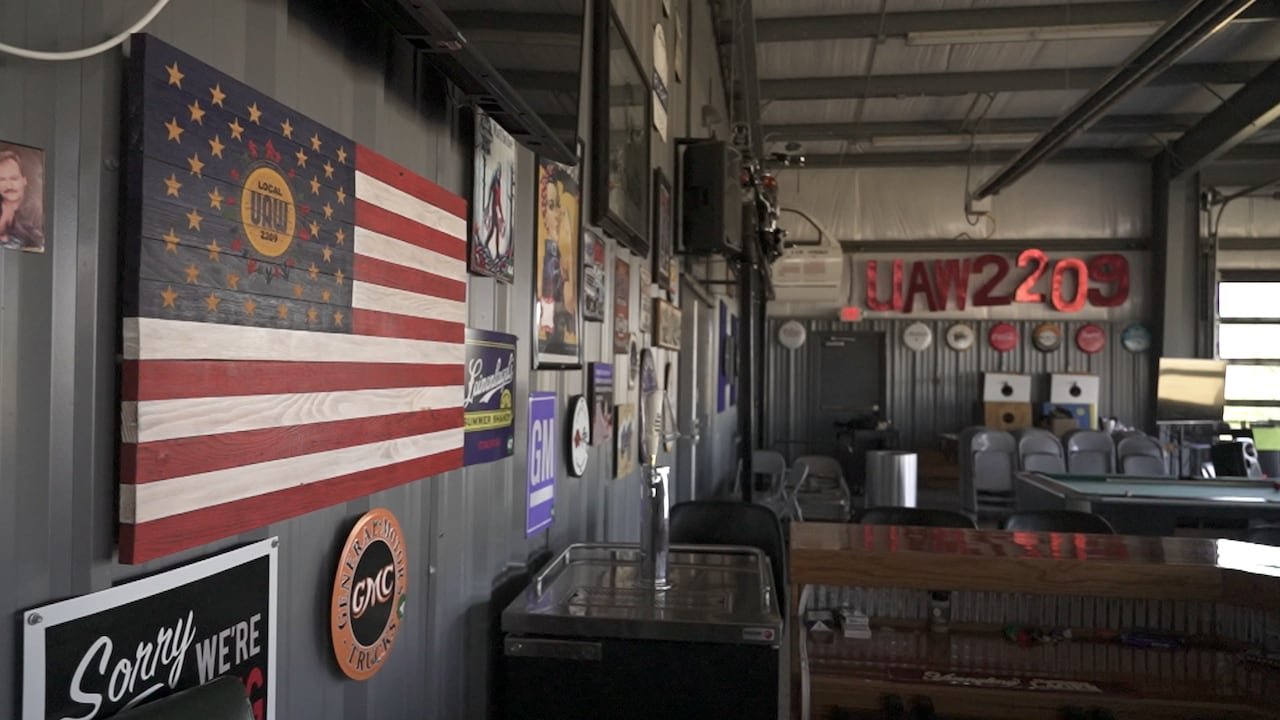
Rich LeTourneau, the bargaining chairman at United Auto Workers (UAW) Local 2209 in Fort Wayne, Indiana, speaks candidly about the recent developments at the General Motors plant where he has worked for 38 years. LeTourneau emphasizes the importance of job security for his coworkers and the need to seize opportunities for increased production volume. He acknowledges the decisions made at higher levels and expresses a commitment to maximizing market potential.
Following the announcement of 250 new temporary jobs at the Fort Wayne plant to build Chevrolet Silverados, there has been a contrasting situation in Oshawa, Ontario, where a shift reduction has led to layoffs. The ongoing dynamics between the UAW and Unifor, representing workers in the respective locations, reflect the competitive nature of the industry.
Amidst the backdrop of U.S. tariff policies, GM’s workforce adjustments have sparked reactions from both sides of the border. While the UAW sees potential in leveraging the tariff climate for business growth, Unifor expresses concerns about the impact on Canadian operations and the need for a level playing field.
Despite the diverging narratives, it is evident that the auto industry’s landscape is evolving, with implications for workers and communities. The historical significance of these plants, such as Oshawa’s auto city identity, adds layers to the ongoing transformations in the sector.

As discussions continue about the future of plants like Oshawa and Fort Wayne, the broader implications of these strategic decisions resonate with workers, union representatives, and local officials. The shifting priorities in the automotive sector underscore the need for adaptability and innovation to navigate the evolving landscape.
While uncertainties persist, the dialogue between stakeholders and the exploration of new avenues for growth signal a pivotal moment for the industry as it navigates challenges and opportunities in a changing economic environment.