
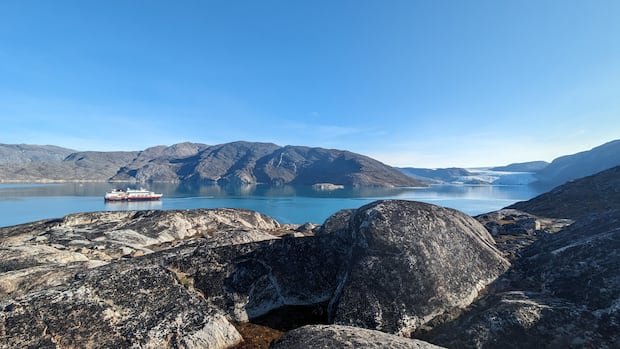

Researchers have identified the first invasive barnacle species in Nunavut’s waters, attributing this discovery to the effects of warming waters. The findings were recently published in the journal Global Change Biology. The Arctic’s historically cold waters have acted as a barrier against invasive species moving northward. However, with the Arctic warming at an accelerated rate, shipping routes are expanding, creating pathways for invasive species to infiltrate the region.
According to a report, shipping activity in certain parts of Arctic Canada has surged by over 250% since 1990, facilitating the transport of non-native species to the Arctic. The bay barnacle (Amphibalanus improvisus), commonly found in European waters and the Pacific Ocean, was detected in multiple locations across Canada’s Arctic region.
Betty Boyse, a molecular biologist from the British Antarctic Survey and co-author of the study, conducted the research during expeditions on cruise ships. Most barnacles were detected near Pond Inlet, a key entry point to the Northwest Passage. Researchers utilized environmental DNA collected from the waters to identify the presence of barnacles, as they are filter feeders that cling to surfaces for food.
While the bay barnacle’s presence may not single-handedly harm the ecosystem, it signals a concerning vulnerability to invasive species in the pristine Arctic environment. Fisheries and Oceans (DFO) Canada acknowledged the study’s significance, emphasizing the need for continued monitoring to confirm the presence of live organisms.
DFO highlighted the use of environmental DNA techniques, research initiatives, and collaborations with Indigenous communities to monitor aquatic invasive species introductions in the Arctic. Shelley Elverum from Ikaarvik stressed the importance of empowering Inuit communities to set research priorities, leveraging their valuable knowledge of environmental norms.
Apart from bay barnacles, other non-native aquatic species have been detected in the Canadian Arctic, although their origins remain uncertain. DFO emphasized the need for comprehensive monitoring and enforcement of regulations to prevent the spread of invasive species. Transport Canada mentioned existing regulations related to pollution reporting and ballast water management, emphasizing the government’s commitment to addressing biofouling on vessels.