
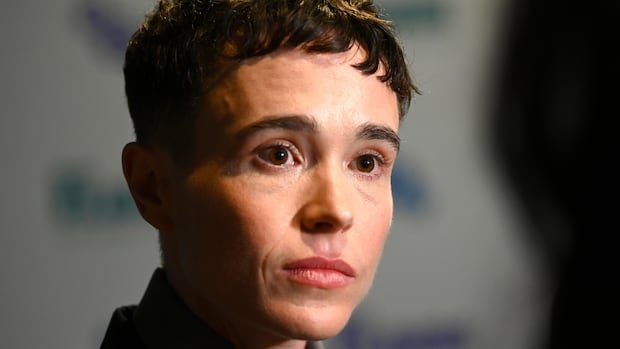

Elliot Page’s $25,000 donation to fund a community well in Shelburne, N.S., has turned into a prolonged and complicated situation, causing frustration and disappointment as the project remains unfinished. The initiative, aimed at providing clean water to a community facing significant challenges, has been mired in disagreements, delays, and shifting plans involving various stakeholders, including the province, local governments, a community college, and the South End Environmental Injustice Society (SEED).
The well project, initially intended to address water accessibility issues highlighted in Page’s 2019 documentary “There’s Something in the Water,” has been beset by controversies over the location and allegations of racism. Despite the allocation of funds and approvals, progress has been slow, with only a portion of Page’s donation utilized for testing the well.
Efforts to move the project forward have encountered setbacks, with discussions on relocating the well and disagreements over operational models. The involvement of multiple parties, including the municipality and SEED, has added complexity to the situation. While there have been commitments and promises to advance the project, challenges persist in reaching a consensus on funding and operational arrangements.
The urgency of the well project is underscored by environmental concerns, particularly in light of climate change impacts and water scarcity in the region. The community’s pressing need for reliable water sources, coupled with the historical context of environmental racism, emphasizes the significance of completing the project. Despite the challenges, stakeholders express a willingness to collaborate and address the critical issue at hand.
Page remains committed to supporting the community and raising awareness of environmental justice issues. Reflecting on the project’s delays, he acknowledges the importance of the cause and the need for concerted efforts to overcome obstacles. As discussions continue and decisions are pending, the community’s hopes for access to clean water remain a top priority, emphasizing the importance of resolving the longstanding issues surrounding the well project.