
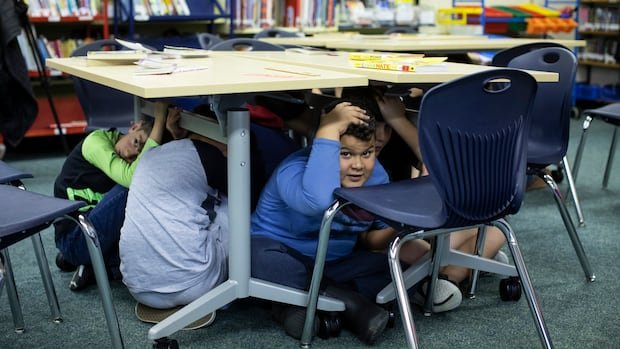

A devastating 9.0 magnitude earthquake hits Vancouver Island, resulting in numerous casualties, extensive destruction, and subsequent chaos with tsunamis and aftershocks. The B.C. government’s risk analysis anticipates over 3,400 fatalities and 10,000 injuries on the day of the main quake, with additional losses caused by secondary hazards like tsunamis and fires.
The report forecasts a staggering $128 billion in costs, destruction of 18,000 buildings, and significant damage to 10,000 more structures. Economic repercussions include halved growth, prolonged GDP and job losses over the next decade, surpassing the impacts of all past disasters in B.C. spanning two centuries.
The analysis highlights potential severe damage concentrated on Vancouver Island and a coastal band spanning approximately 20 kilometers along the lower mainland, encompassing Vancouver from the U.S. border to the Sunshine Coast. The risk assessment also outlines other extreme scenarios such as severe flooding in the Fraser Valley, high-tide flooding on the southwest coast post-winter storms, urban interface fires, and prolonged droughts.
Professor Edwin Nissen from the University of Victoria notes that the report’s estimates rely on simulations assessing fatalities and structural damage based on factors like location, construction material, and building codes. Wooden homes are generally considered safer than brick structures, with proximity to bedrock enhancing safety.
Uncertainties surrounding earthquake impacts include variables like timing, seasonal conditions affecting soil stability, and the need for regular updates of emergency reports to align with evolving scientific and engineering knowledge. The report underscores the significance of preparing for seismic events, citing the last comparable earthquake in the region occurring in 1700 and estimating a 2-10% likelihood of a similar event within the next 30 years.
Nissen emphasizes the irregular nature of megaquakes, with historical records indicating sporadic occurrences spanning centuries. The report mentions the 2004 Indian Ocean earthquake as a comparable event, emphasizing the unpredictability of such seismic events and the necessity of readiness for potential disasters.