
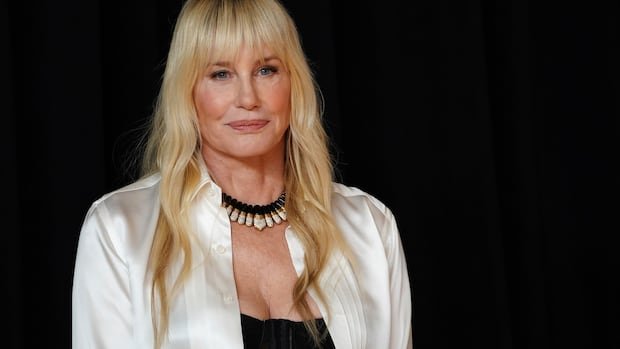

Daryl Hannah strongly criticized the recent TV series depicting the lives of John F. Kennedy Jr. and Carolyn Bessette, labeling the portrayal of her character as inaccurate, harmful, and sexist. In a guest essay for the New York Times titled “How Can Love Story Get Away With This?” she expressed her dismay at the representation of her relationship with Kennedy in the FX and Hulu show, “Love Story: John F. Kennedy Jr. & Carolyn Bessette.”
The series delves into the romantic journey and tragic end of the iconic couple, who tragically perished in a plane crash in 1999 alongside Bessette’s sister, Lauren. Hannah, who had a relationship with Kennedy prior to his marriage to Bessette, took issue with her depiction in the show, where she is portrayed in a negative light by actress Dree Hemingway.
In her essay, Hannah vehemently denied the actions attributed to her character, refuting claims such as drug use, pressuring someone into marriage, and disrespectful behavior towards family belongings. She expressed disbelief at having to defend herself against a television program and emphasized that the portrayal was far from reality.
Despite Hannah’s criticisms, FX declined to comment on her accusations. The show has faced backlash from other quarters as well, with Jack Schlossberg, Kennedy’s nephew and political aspirant, openly condemning the series for exploiting the Kennedy family’s tragedies for entertainment.
Hannah pointed out the personal nature of her critique, citing the producers’ intent to position her character as an impediment to the central love story. She quoted producer Nina Jacobson’s statements regarding the narrative dynamics and expressed disappointment at the portrayal of her character as irritating and unsympathetic.
The former actor, now engaged in environmental advocacy and documentary filmmaking, stressed the importance of maintaining her reputation for continuing her meaningful work. She recalled advice from Jacqueline Onassis about tabloid lies and highlighted the enduring impact of falsehoods in the digital age. Hannah also criticized the show’s focus on pitting women against each other, labeling it as a manifestation of misogyny in popular culture.