
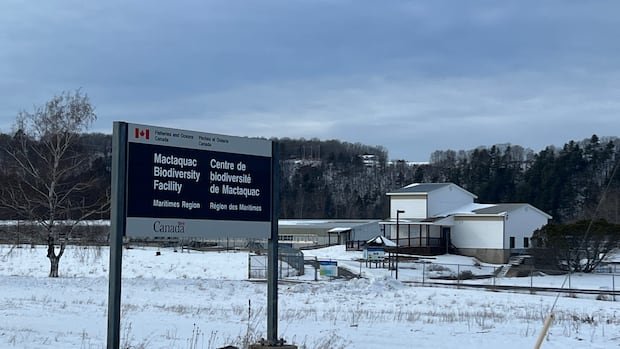

The Wolastoqey Nation, along with Atlantic salmon experts and conservationists, have expressed disapproval of the federal government’s decision to shut down the Mactaquac Biodiversity Facility, situated near the Mactaquac Dam on the St. John River in New Brunswick. This closure, part of budget cuts by the Department of Fisheries and Oceans, includes another facility in Coldbrook, N.S.
Critics argue that the discontinuation of these facilities will impact the Atlantic salmon live gene bank program and related stocking activities. The Wolastoqey group highlighted their concern over not being consulted about the closure, emphasizing the significance of the facility for the Wolastoqiyik community and their rights, as well as the salmon population.
Tommi Linnansaari, a University of New Brunswick biology professor, explained that the Mactaquac facility conducts various programs, such as collecting and releasing baby salmon, as well as managing the gene bank for salmon populations. The closure would not only affect salmon populations but also endanger other fish species like river herring.
David Roth, the New Brunswick program director for the Atlantic Salmon Federation, warned that shutting down the hatchery and stocking programs would have catastrophic consequences for the already declining salmon populations in the St. John River. He emphasized the critical role of these operations in sustaining the salmon populations.
The Wolastoqey Nation is evaluating the potential impacts of the closure, including job losses, training opportunities, and setbacks in salmon conservation efforts. The group pointed out an agreement made in 1968 between the federal Fisheries Minister Joanne Thompson’s department and N.B. Power to operate the facility to mitigate the ecological effects of the Mactaquac Dam.
While N.B. Power acknowledged the upcoming changes at the facility, details about the closure and its implications on salmon populations remain unclear due to the lack of information from the federal fisheries department. Despite challenges in the hatchery’s effectiveness and operational costs, experts like Linnansaari and Roth are hopeful for possible revamping of salmon recovery programs to ensure the continuity of conservation efforts.