
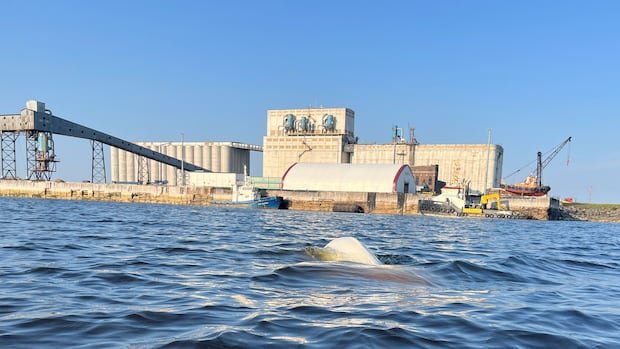

The University of Manitoba and the Arctic Research Foundation have announced they are in a crucial stage of a study to assess the possibility of transforming Churchill into a year-round maritime center.
This current phase of the study, initiated in January, will focus on examining the potential utilization of icebreakers to prolong the operational period at the port, as per a news release from the University of Manitoba.
Presently, the port is in operation for approximately four months each year.
Feiyue Wang, the Canada Research Chair in Arctic Environmental Chemistry and director of the Churchill Marine Observatory, explained, “The typical closure of the Port of Churchill occurs by the end of October, so if there is a desire to maintain shipping activities throughout the winter season, the involvement of ice-breaking assistance will be necessary to keep the passage open. This feasibility study aims to address this particular aspect.”
The main objective is to ascertain the optimal navigational timeframe and route for shipping to the Atlantic Ocean and, ultimately, northern Europe, covering a mapping distance exceeding 2,000 kilometers.
“Both the government and the local community are eager to see an extension of the shipping season. Our focus is on ensuring that any future expansions are based on solid scientific foundations and long-term environmental sustainability,” Wang emphasized.
Recently, Prime Minister Mark Carney underlined the priority status of plans to expand the Port of Churchill as part of a trade corridor through northern Manitoba.
This statement was made prior to a meeting with Manitoba Premier Wab Kinew, who advocates for Churchill, situated on the western coast of Hudson Bay, to serve as a major port for shipping goods to Europe and other regions.
Wang, together with researchers from the University of Manitoba’s Centre for Earth Observation Science, is leading this study, funded with $188,000 from a total commitment of $750,000 in federal and provincial funds allocated for evaluating sea ice, weather conditions, and climate patterns in the Hudson Bay area.
Wang noted that Hudson Bay has experienced a temperature rise of around 1 degree Celsius over the past four decades, with the most noticeable changes observed in the northwestern part of the bay, crucial for shipping routes to Nunavut and the Labrador Sea.
The research will involve an analysis of historical and projected sea ice conditions, incorporating satellite data on ice thickness and concentration, to predict ice variations over the next 40 years and anticipate future icebreaking necessities.

The POLARIS (Polar Operational Limit Assessment Risk Indexing System) will be employed to convert ice conditions into risk assessments for various ship categories, generating climate model forecasts under moderate and high greenhouse gas emission scenarios.
The University of Manitoba team will also delve into existing environmental data to identify ecologically critical periods of the year and their implications on routing, timing, and vessel operations, as outlined in the news release.
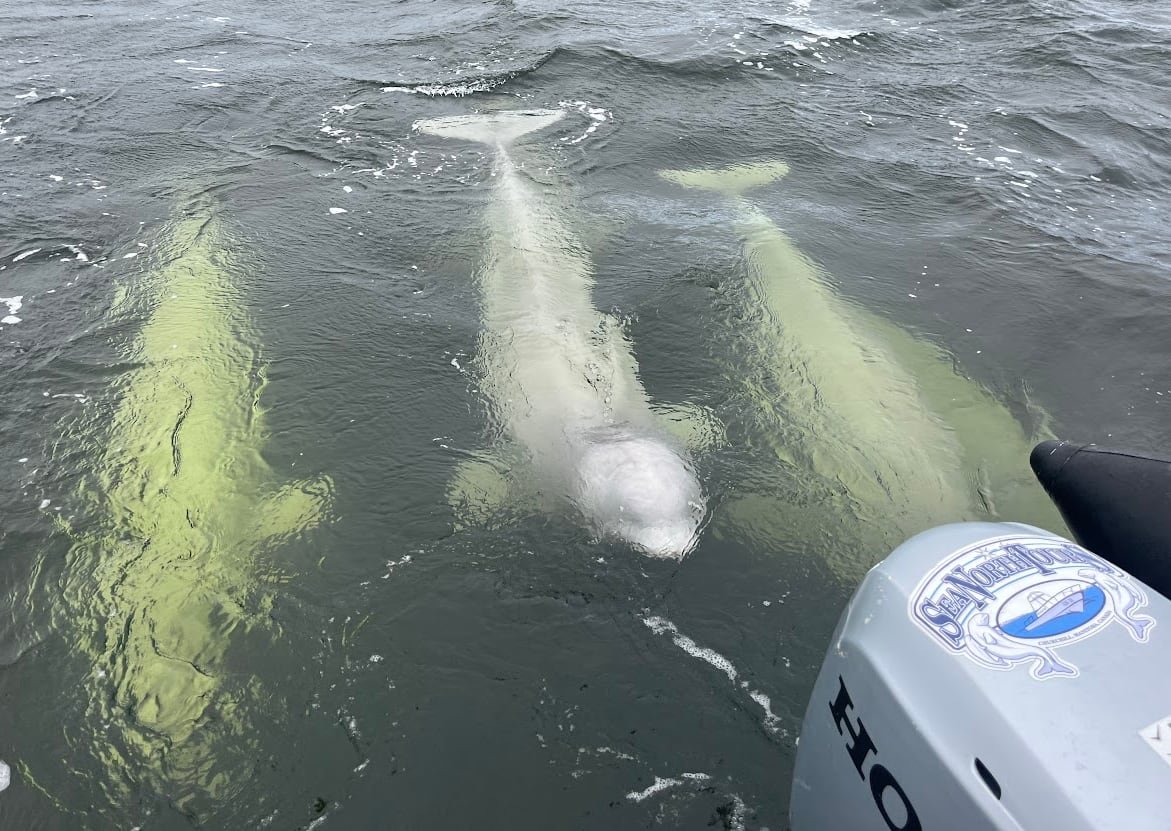
During the period from mid-June to mid-September, an estimated 55,000-60,000 beluga whales congregate in western Hudson Bay and the Churchill River estuary annually.
This wildlife presence contributes to Churchill’s