
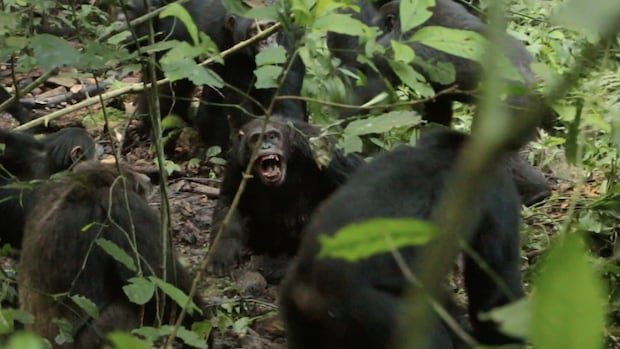

In a recent study published in Science, researchers have shed light on a distressing conflict that erupted among nearly 200 chimpanzees in Uganda. The chimps, residing in Ngogo within Uganda’s Kibale National Park, had previously coexisted in harmony but unexpectedly turned hostile towards each other.
Lead researcher Aaron Sandel, a primatologist at the University of Texas at Austin, vividly recalls the tragic event when a chimp named Erroll, whom he had known since childhood, was attacked and killed by fellow chimps. This uncharacteristic violence marked the beginning of what researchers have termed a chimpanzee “civil war.”
The Ngogo chimps had previously thrived due to their cooperative nature and successful defense of their territory. However, tensions escalated between the western and central neighborhoods within the group in June 2015, leading to a significant rift. The conflict eventually spiraled into a series of violent encounters, resulting in the deaths of multiple chimps, including infants.
Primate behaviorist Iulia Bădescu emphasized that while aggression is not uncommon among chimpanzees, the severity of this conflict was unprecedented due to the close relationships and kinship ties that existed among the warring factions. The abrupt transformation from allies to enemies was particularly shocking to researchers.
The exact triggers for the conflict remain unclear, with researchers speculating that factors such as increased group size, competition for resources, and changes in leadership dynamics may have fueled the violence. Despite the grim situation, Sandel and other experts believe that there are valuable lessons to be learned from chimpanzees’ ability to reconcile after conflicts, emphasizing the importance of interpersonal relationships in fostering peace.
While the future of these chimpanzees remains uncertain, researchers like John Mitani remain hopeful, highlighting the inherent pro-social nature of humans compared to their primate counterparts. Mitani underscores the resilience of human societies in maintaining peaceful coexistence, despite occasional conflicts.
As researchers continue to unravel the complexities of this chimpanzee “civil war,” the study serves as a stark reminder of the intricate social dynamics and behaviors exhibited by our closest relatives in the animal kingdom.