
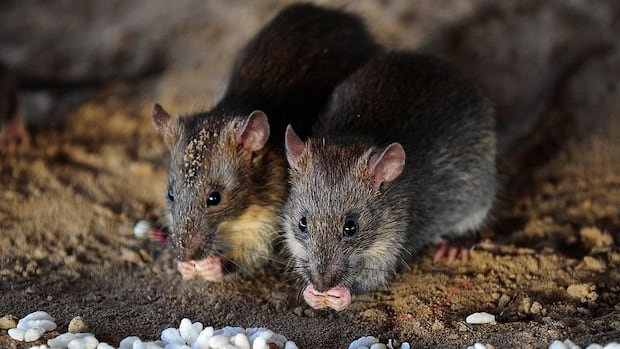

New findings from the University of Calgary reveal that rats also experience increased appetite, commonly known as the “munchies,” when exposed to cannabis. Dr. Matthew Hill, a neuroscientist at the university, observed this phenomenon after exposing rats to cannabis vapor. The study demonstrated that rats displayed heightened eating behavior shortly after exposure to cannabis, suggesting a genuine physiological response rather than a mere placebo effect.
Contrary to the belief that the munchies are solely a psychological response, the research emphasized the importance of inhalation as the primary method of cannabis consumption for humans, unlike injectable forms used in previous animal studies. The study, conducted in collaboration with Washington State University, showed that even when rats were full, they exhibited an increased desire to eat after being exposed to cannabis.
Interestingly, the rats did not show a preference for specific types of food, enjoying a variety of options regardless of composition. Additionally, a parallel study involving humans at Washington State University revealed a fondness for beef jerky among cannabis users. These findings shed light on the potential medical implications of cannabis use in addressing conditions like chemotherapy-induced nausea and eating disorders.
Dr. Keith Sharkey, a researcher at the University of Calgary, highlighted the significance of these results, emphasizing the role of the cannabinoid system in regulating food intake and energy balance across mammalian species. While the study provides valuable insights into the physiological effects of cannabis, caution is advised regarding its medical use, especially for cancer patients seeking appetite stimulation. Registered dietician Grace Beda underscored the importance of clinical research and recommended non-inhaled forms of cannabis for patients, citing concerns about lung health.
The study involved both rat and human subjects, with the human portion consisting of 82 participants inhaling vaporized cannabis. These findings contribute to our understanding of how cannabis influences appetite and highlight potential avenues for therapeutic applications.