

Canada’s economic output surged in July, bouncing back from a three-month decline with a 0.2% growth driven by the mining, manufacturing, and wholesale trade sectors. The country’s GDP had contracted by 1.6% in the second quarter, raising concerns about a potential recession if the trend continued into the third quarter. However, early estimates for August suggest stagnant growth with a mix of positive and negative impacts across industries.
Analysts, who had predicted a 0.1% growth for July, are observing the economic resilience despite underlying weaknesses, prompting discussions on potential rate cuts by the Bank of Canada. The recent months have been challenging for Canada’s economy due to U.S. tariffs affecting key sectors, resulting in reduced business investments and uncertainties across various industries.
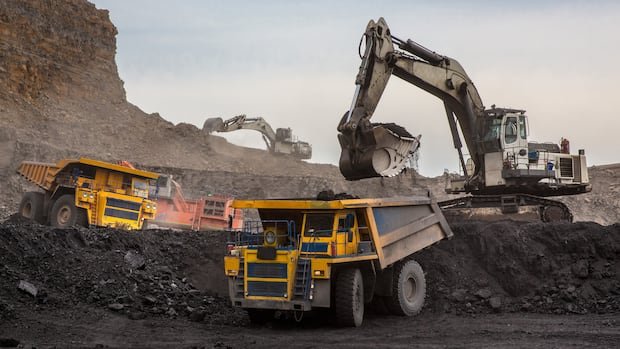
July’s growth was mainly led by the goods-producing industries, contributing a significant portion to the monthly GDP. Notably, the mining and oil extraction sector showed a substantial growth of 1.4%, followed by manufacturing at 0.7%. In contrast, the services-producing sector, which dominates the GDP, saw a modest 0.1% growth, supported by wholesale trade and transportation.
Within the services sector, transportation and warehousing rebounded with a notable 2.8% growth in pipeline transportation, marking a significant increase. Real estate and rental services also saw a 0.3% growth, driven by heightened activities in the real estate market. However, retail trade experienced a decline of 1% in July following a period of solid growth.
The overall economic landscape reflects a mix of positive and negative indicators, highlighting the challenges and opportunities faced by Canada’s economy as it navigates through trade disruptions and sector-specific impacts.