

Amid the ongoing conflict in Iran disrupting oil and gas exports from the Gulf region, the Canadian energy sector is poised to experience a surge in demand. Federal officials are highlighting Canada’s stability amidst the uncertainty of the current situation.
With the recent joint attack by the U.S. and Israel on Iran, energy prices have spiked. Iran’s warning to tankers not to pass through The Strait of Hormuz, a vital route for a significant portion of the world’s oil, has led to the suspension of operations by several energy companies in the Gulf region. The duration of the conflict remains uncertain.
Canada’s oil and gas sector stands out due to its independence from the Middle East, stringent environmental regulations, and proximity to Europe compared to other major energy producers like the U.S. and Venezuela. Minister Tim Hodgson emphasized the global demand for Canadian energy at a mining conference in Toronto.
While Canada can partially address the supply gap, experts suggest that it cannot completely offset the loss caused by the conflict in Iran. Various countries, including Poland, Germany, Japan, South Korea, and India, are potential customers of Canadian energy products.
The price of crude oil is currently around $80 US per barrel and may increase depending on the conflict’s duration. However, challenges exist in delivering Canadian resources to European and Asian markets due to insufficient infrastructure.
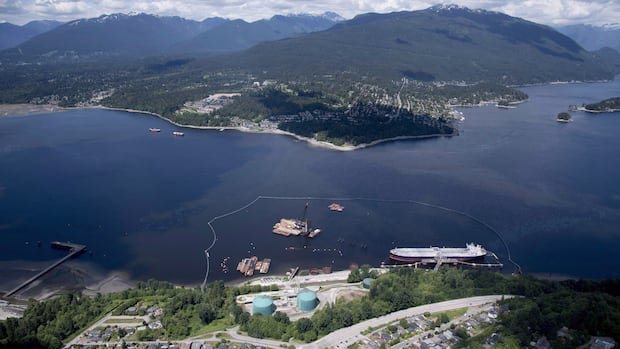
Efforts are underway to expand Canada’s energy infrastructure, such as the Trans Mountain Expansion project and a newly operational LNG plant in Kitimat, B.C. Proposed energy projects in Quebec and Newfoundland could further enhance Canada’s capacity to serve global markets.
Russia could potentially emerge as a key energy supplier, especially with the decline in LNG production expected in Norway by 2030. Despite concerns about Russia’s tactics, some countries may turn to Russian energy sources due to the current global supply gap.
In conclusion, maintaining a diverse energy supply chain is crucial to prevent disruptions in the global energy market. Efforts to ensure the flow of oil and gas through strategic routes like the Strait of Hormuz are essential to avoid significant price shocks that could impact all stakeholders.