

Canada’s economy experienced a slight uptick in January, with growth primarily driven by the goods-producing sectors while manufacturing faced a slowdown, according to Statistics Canada’s report on Tuesday. The Gross Domestic Product (GDP) expanded by 0.1% in January, surpassing analysts’ projections following a 0.2% growth in December.
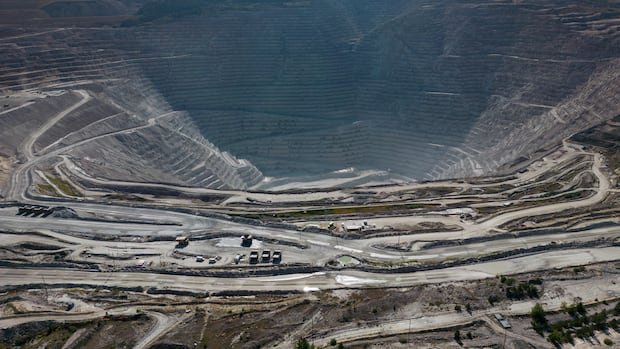
The mining, oil, and gas extraction industries, along with quarrying, were the main contributors to the growth, expanding by 1.2% and reversing the declines seen in December. The increase in oil and gas extraction was fueled by heightened crude petroleum extraction activities in Newfoundland and Labrador, as well as Saskatchewan, with a notable expansion in natural gas extraction.
The construction sector also saw growth, rising by 1.1% in January, marking the third consecutive month of expansion. Both residential and non-residential building construction activities contributed to this increase.
Douglas Porter, the chief economist at the Bank of Montreal, described the report as a “positive surprise.” Despite challenges like a harsh winter and weak manufacturing and employment data at the beginning of 2026, the Canadian real GDP showed resilience in the first two months of the year, providing a stronger economic foundation than anticipated before the turmoil caused by the conflict in Iran.
However, manufacturing faced a decline in January, offsetting some of the growth from December, primarily due to struggles in the durable goods subsector. Wholesale trade also decreased, particularly in motor vehicles and parts, as exports of passenger cars and light trucks dipped due to a seasonal decline in auto production. Weather conditions negatively impacted the transportation and warehousing sectors.
Key services-producing industries like real estate, health care, and finance, which are significant contributors to the Canadian economy, remained relatively stable during the month. The advance estimate for February suggests a 0.2% increase in real GDP, though this figure is subject to revisions.
The positive performance in January and the projected growth in February have set a more optimistic tone for the first quarter than initially anticipated, noted Porter. Economists caution that future growth may face challenges as high crude oil prices resulting from the conflict in Iran could dampen consumer spending and lead to inflation spikes, potentially prompting the Bank of Canada to raise interest rates amid economic fragility.