
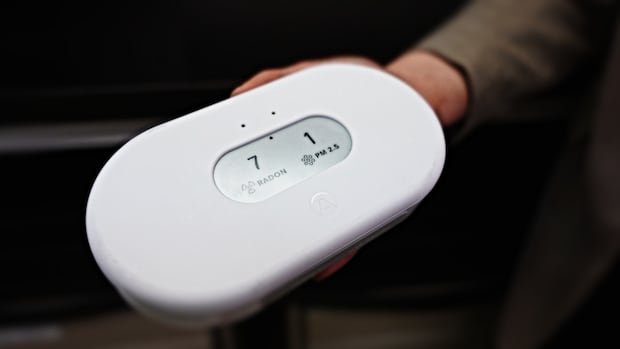

Consumers looking to assess their home’s radon levels now have a wide array of radon monitors available for purchase online or in retail outlets. However, experts caution that many of these products may not be reliable.
Pam Warkentin, the executive director of the Canadian Association of Radon Scientists and Technologists (CARST), highlighted the issue of Canadians unknowingly using uncertified monitors, leading to potential inaccuracies in readings. Warkentin emphasized the importance of using approved devices for making informed decisions.
Using faulty monitors can result in wasted resources, as these electronic devices can be quite expensive, with recommended testing periods lasting several months. Warkentin shared a case where a homeowner unwittingly used a recalled monitor for an extended period, underscoring the risks associated with unreliable devices.
Unreliable radon monitors not only waste resources but also pose a serious public health threat by providing misleading information on radon levels in buildings. This misinformation can deter homeowners from taking necessary steps to mitigate radon exposure, a known cause of lung cancer.
Research indicates that a significant number of Canadian households likely have elevated radon levels, contributing to radon-induced lung cancer-related deaths annually. The lack of accurate monitoring can lead to complacency among homeowners, overlooking potential health risks.
To conduct effective radon testing, Health Canada recommends testing homes for a minimum of three months, preferably during winter when buildings are typically sealed. Warkentin stressed the importance of regular testing to ensure accurate results.
Long-term testing can be carried out by hiring radon measurement professionals or using DIY test kits. While some communities offer free radon monitors, homeowners often bear the cost of purchasing their own devices, ranging from passive trackers to real-time electronic monitors.
It is crucial to avoid unreliable devices that provide inaccurate readings, as they can lead to false conclusions about radon levels in homes. Ensuring the use of approved radon monitors is essential for accurate results and informed decision-making.
Health Canada, in collaboration with CARST, certifies radon monitors to meet industry standards. As of March 2026, only six electronic monitors have received certification for use, emphasizing the importance of selecting approved devices for reliable results.
Consumers seeking certified radon monitors can refer to the list of approved devices provided by the Take Action on Radon program. This resource helps homeowners identify reliable monitoring options to ensure accurate radon testing.
Before purchasing a radon monitor, it is advisable to check for any recalls or warnings associated with the device. Warkentin cautioned consumers to be vigilant as the market is continually evolving, with new devices being introduced and potentially recalled due to performance issues.