
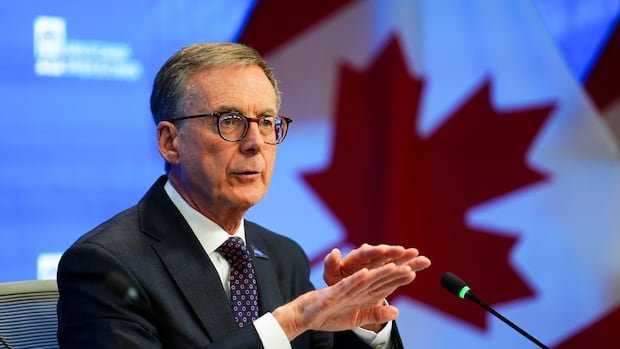

The Bank of Canada has reduced interest rates to 2.25 percent, citing ongoing economic challenges exacerbated by the U.S. trade war. Despite the rate cut, the central bank emphasized that monetary policy alone cannot fully address the structural damage caused by trade tensions.
Bank of Canada Governor Tiff Macklem highlighted that while the monetary policy adjustment aims to assist the Canadian economy in adapting to current conditions, it cannot completely reverse the negative impacts of tariffs. The bank’s decision to lower rates by 25 basis points reflects concerns over economic weakness and the need to maintain inflation close to the target of two percent.
Macklem indicated that if inflation remains consistent with projections, the bank plans to keep rates stable. However, he noted readiness to respond to any shifts in economic outlook. The accompanying Monetary Policy Report underscored the profound transformation underway in Canada’s economic landscape due to the ongoing trade conflict.
Although the interest rate reduction is intended to stimulate demand, challenges arise from the risk of demand surpassing production capacity, potentially leading to inflationary pressures. Weak economic indicators, such as shrinking exports and subdued investment due to trade uncertainties, have influenced the bank’s decision.
The bank anticipates weak GDP growth in the latter half of the year, primarily due to significant disruptions in tariff-affected sectors like autos and steel. Despite concerns about a possible recession, Macklem expressed optimism for modest growth but acknowledged the potential negative impact on consumer sentiment.
Consumer spending, real estate investments, and government expenditures are expected to support economic growth in the near term. The bank foresees inflation remaining near the target level, with opposing forces of weak economic growth and tariff-related cost pressures likely offsetting each other.
Regarding the current interest rate level, the bank considers it appropriate to maintain inflation control amid evolving economic conditions. The possibility of future adjustments hinges on changes in inflation and growth patterns. Experts suggest that while further rate cuts may not immediately address trade-related job losses, fiscal policies could play a vital role in supporting affected sectors.
Looking ahead, the Bank of Canada will announce its next interest rate decision on December 10.