

A recent research study conducted by the University of British Columbia has highlighted the potential environmental risks associated with artificial turf fields in Metro Vancouver. The study, recently published in the journal Environmental Science Processes & Impacts, reveals that these fields are releasing a harmful chemical, 6PPD-quinone, which poses a threat to coho salmon.
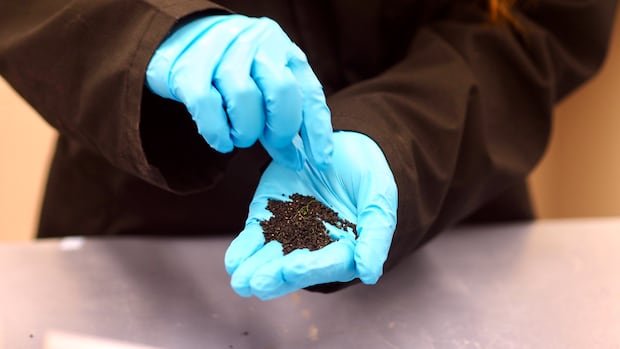
The source of this pollution was identified as the crumb rubber infill, made from recycled tires, commonly used in artificial turf fields. Researchers collected samples from 12 fields in Metro Vancouver and analyzed stormwater from the drainage systems of three fields during rainstorms. They discovered that even fields in place for over a decade continued to release pollutants, with an average field containing approximately 125 tonnes of crumb rubber, equivalent to about 20,000 tires.
Katie Moloney, a PhD student in environmental engineering at UBC, emphasized the harmful effects of even small amounts of the chemical on aquatic life, particularly coho salmon. The study revealed that the concentration of 6PPD-quinone exceeded lethal levels for these fish species. Additionally, the pollution poses risks to other aquatic organisms like juvenile cutthroat trout.
Due to the drainage layer beneath many turf fields, stormwater carrying contaminants can flow into the city’s stormwater infrastructure or directly into surface waters without treatment. This unfiltered discharge has raised concerns among environmentalists and stream watchers in British Columbia, who have highlighted the chemical’s lethal impact on coho salmon populations.
The City of Vancouver has been investing in synthetic turf fields to meet the increasing demand for sports facilities. While synthetic fields offer advantages like year-round usability and cost recovery, the city acknowledges the environmental concerns raised by the study. Vancouver Park Board has shifted away from using crumb rubber infill due to the identified risks, opting for safer alternatives like EPDM rubber.
Other municipalities, such as Surrey and Burnaby, have also taken note of the study findings and are monitoring the issue closely. They have implemented measures to prevent contaminants from reaching sensitive habitats, with Surrey ensuring that its artificial turf fields are not near salmon-bearing streams and Burnaby actively collaborating with local groups to safeguard waterways.
To address the risks posed by these chemicals, researchers recommend using alternative turf infill materials like polymer or installing treatment systems beneath the fields to capture contaminants before they enter water systems. These solutions, though potentially costly, could help mitigate the environmental impact of artificial turf fields on aquatic ecosystems.