
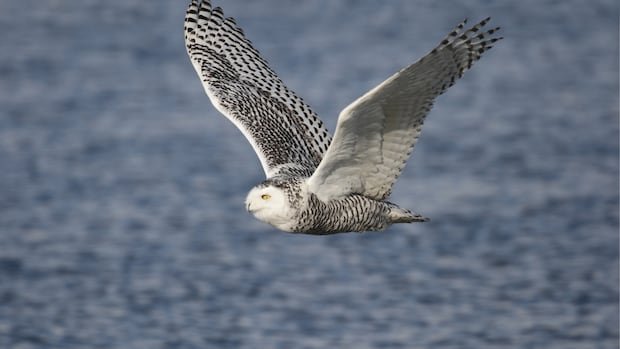

The population of snowy owls soaring over the Arctic landscape is rapidly decreasing due to various threats, despite the slow progress towards granting them legal protection. These iconic birds are encountering challenges such as habitat loss, thicker ground cover, and decreased prey availability. Additionally, collisions with vehicles, buildings, and power poles during migration are contributing to the decline in their numbers.
With a population currently estimated at around 14,000 and decreasing by over 30% per decade, the snowy owl has been classified as threatened due to the significant decline in its population. This assessment, however, does not immediately lead to legal protection. It involves extensive consultations among researchers, federal, Indigenous, and local governments, which can extend over two years or more before conservation efforts are implemented.
The lengthy process from assessing a species as threatened to its formal listing under federal law can take two years or more in the North. This cautious approach by the government aims to consider the impacts on various stakeholders before making a final decision. Snowy owls play a crucial role as an indicator of environmental health, reflecting the well-being of other flora and fauna in their ecosystem.
Consultations are currently ongoing at the federal level following the assessment of the snowy owl’s status by the committee. The evaluation marks the initial step in a series of actions under the Species at Risk Act. The main threat faced by these birds is the gradual alteration of their habitat due to climate change, leading to a decrease in their nesting and hunting grounds.
The snowy owl’s nomadic nature, coupled with the changing Arctic landscape, poses challenges to their survival. Various threats including avian flu, collisions with structures, and poisoning from consuming contaminated prey contribute to the decline in their numbers. The complex global threat impacting these birds requires comprehensive conservation efforts beyond simple solutions.
Despite efforts to mitigate climate change and its impacts on biodiversity, challenges persist in preserving species like the snowy owl. This bird holds a special place in the culture, symbolizing a connection between the High Arctic and more southern regions during their seasonal migrations. The urgency to address these threats and protect the snowy owl reflects broader concerns about environmental conservation and sustainability.