
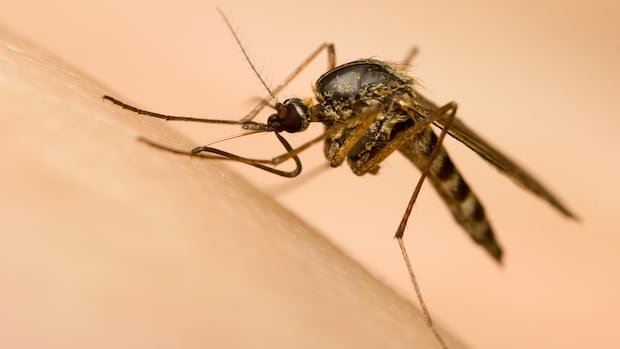

Alberta is experiencing a surge in mosquito populations, causing more than just irritation. The increased mosquito activity has led to a rise in emergency room visits in the province, especially among children. Dr. Andrew Dixon, an emergency room physician in Edmonton, has recently treated several cases of “skeeter syndrome,” a severe reaction to mosquito bites, particularly in kids.
The inflammatory response to mosquito bites varies among individuals, with some experiencing heightened reactions, especially if they are not accustomed to frequent bites. Dr. Mariam Hanna, a pediatric allergist from McMaster University, explains that these reactions, characterized by redness, swelling, and sometimes blisters, are more common in young children but tend to diminish as they age and build tolerance to mosquito saliva.
While skeeter syndrome can be alarming to witness, it is typically localized and not life-threatening, according to Dr. Hanna. She suggests seeking medical attention if accompanied by a low fever, as it could indicate a potential infection. With mosquito populations on the rise due to increased rainfall, experts like John Soghigian from the University of Calgary are monitoring the situation closely. Soghigian highlights the significant uptick in mosquito numbers compared to previous years, attributing it to the influx of new residents in cities like Edmonton and Calgary who may not have prior exposure to mosquitoes.
The duration of the mosquito season hinges on weather conditions, with more rain likely prolonging the swarms. To alleviate symptoms of skeeter syndrome, treatments such as icing the affected area, using over-the-counter steroid creams, and taking oral antihistamines are recommended. In a recent report by Alberta Health Services, allergic reactions from insect bites and stings resulted in over 1,500 hospital visits during the summer months last year. Dr. Dixon advises concerned individuals to contact Health Link for guidance on managing mosquito-related concerns.