
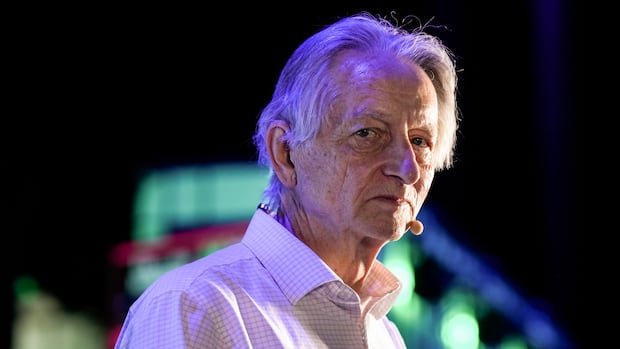

Geoffrey Hinton, a prominent figure in the field of artificial intelligence, has raised concerns about the potential risks associated with the unchecked advancement of AI. He suggests that without proper oversight, AI could pose a threat to humanity, potentially leading to human extinction. Hinton, who shares the 2024 Nobel Prize in physics and is a co-founder of the AI Safety Foundation, emphasizes the importance of training AI to develop maternal instincts as a means to safeguard the future of humanity.
In a conversation with IDEAS host Nahlah Ayed, Hinton discusses various scenarios where AI could be misused, such as by terrorists creating harmful viruses or manipulating democratic processes with fake videos. However, his primary concern lies in the long-term prospect of AI surpassing human intelligence, raising questions about how humans can coexist with super-intelligent AI entities.
When asked about the likelihood of AI causing human extinction in the current century, Hinton acknowledges the uncertainty of future technological advancements. He points out that predicting the trajectory of AI development is challenging, given the rapid pace of innovation and the potential for unforeseen breakthroughs.
Hinton advocates for a paradigm shift in how AI is designed and controlled, suggesting that imbuing AI with caring instincts towards humanity could yield positive outcomes. Drawing parallels to the relationship between a mother and child, Hinton proposes that AI should prioritize human well-being over its own interests. He emphasizes the need for researchers to focus more on developing empathetic AI systems to ensure a harmonious coexistence between humans and artificial intelligence.
Despite the transformative potential of AI, Hinton warns against complacency and urges concerted efforts to steer AI development towards benevolence. He stresses the importance of proactive measures to instill ethical principles in AI systems, highlighting the limited focus on nurturing compassionate AI in the current research landscape. Hinton underscores the critical role of ongoing research and collaboration in shaping a future where AI acts as a benevolent guardian of humanity.
In conclusion, Hinton emphasizes the urgency of prioritizing the development of AI with human-centric values to mitigate potential risks and maximize the benefits of artificial intelligence for society.