
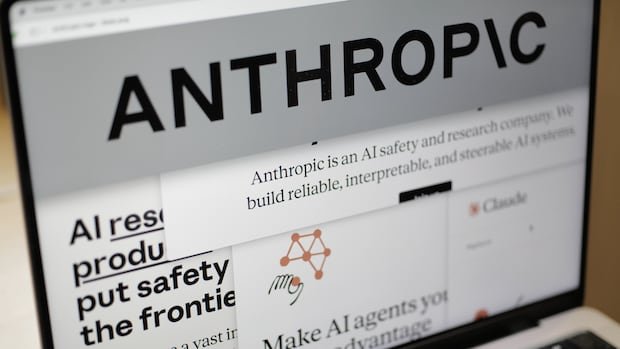

Anthropic, the AI company known for its Claude chatbot and commitment to safe technology, is adjusting its safety protocols to stay competitive. The company announced a revision to its responsible-scaling policy, which aims to prevent the creation of potentially harmful AI that could lead to large-scale cyberattacks.
While the updated guidelines still emphasize the importance of containing catastrophic risks during AI development, they now include a clause allowing continued progress if the company believes it holds a significant edge over competitors. Anthropic cited a shift in focus from AI safety to economic potential in the U.S. as the reason for this policy change.
Despite its historical emphasis on safety, Anthropic, founded in 2021 by ex-OpenAI employees, is now facing scrutiny for potentially compromising its safety-first approach. CEO Dario Amodei, who has previously expressed concerns about AI’s negative impacts, reiterated the company’s commitment to safety in a recent interview with Fortune.
The company’s decision to modify its safety guidelines coincides with pressure from the Pentagon, which threatened to terminate contracts unless Anthropic’s technology is permitted for all lawful military applications. Anthropic clarified that the safety policy update is unrelated to the Pentagon standoff.
In response to the Pentagon’s demands, Anthropic reaffirmed its stance against using its technology in autonomous weapons and mass surveillance systems. The company remains firm in its principles, willing to part ways with the government if necessary.
Anthropic’s safety policy update and the Pentagon’s ultimatum are distinct issues, according to the company. Amid escalating tensions, Anthropic stands by its values, prioritizing ethical usage of its technology over potentially lucrative military contracts.
As the AI landscape becomes increasingly competitive, with companies like Anthropic, OpenAI, and Google vying for market dominance, the pressure to prioritize economic interests over safety concerns is mounting. The regulatory environment in both the U.S. and Canada poses challenges for companies striving to balance innovation with ethical considerations.