
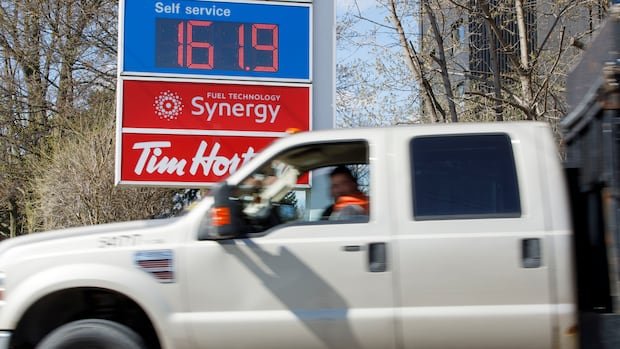

Canada saw a rise in its annual inflation rate to 3.1% in September, as reported by Statistics Canada on Monday. This increase poses a challenge for the Bank of Canada ahead of its upcoming rate announcement. The consumer price index in September showed a 0.1% uptick compared to August, driven by escalating oil prices due to Middle East tensions. However, the shift to cheaper winter gasoline blends provided some relief, although pump prices surged by 27.8% year-over-year.
CIBC’s chief economist, Avery Shenfeld, highlighted the inflation in gasoline prices, noting that excluding this factor, the underlying trend inflation rates are around 2%. Grocery prices rose by 1.7% year over year in September, although this was a slowdown from the previous month. Notably, fresh vegetables became more affordable, contributing to the reduced food inflation.
Shelter prices increased by 1.8% year-over-year, and Statistics Canada’s core inflation measures showed a slight decline in September. Economists are closely monitoring these metrics as the Bank of Canada navigates the economic landscape. The Bank’s Governor, Tiff Macklem, is concerned about the impact of high global energy prices on inflation, emphasizing the need to balance policy actions.
The Bank of Canada’s latest Business Outlook Survey projects an average inflation rate of 3.7% in the coming year. Despite uncertainties in energy markets, experts differ on the potential for a rate hike later this month. While some anticipate a hold from the central bank, others believe a cautious increase may be necessary to prevent sustained inflation due to rising energy costs.
RBC economist Abbey Xu suggests that the Bank of Canada remains in a delicate position, weighing economic improvements against inflation risks. With labor market challenges and evolving borrowing costs, the central bank is expected to maintain its current interest rates through 2026 before considering gradual adjustments in 2027. The recent job decline reported by Statistics Canada adds to the complexity of Canada’s economic outlook.