
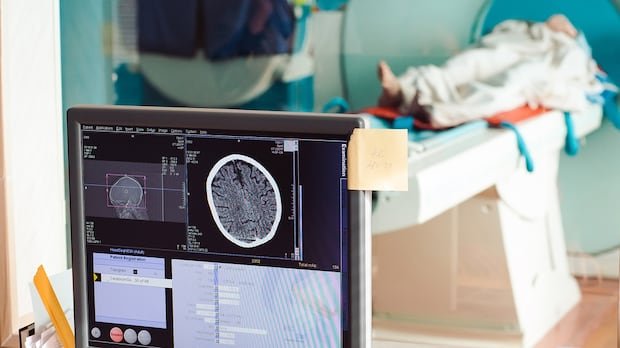

Alberta is considering new laws that would allow individuals to pay for diagnostic and preventative tests like MRIs, CT scans, and full-body scans without a doctor’s referral. While some private testing options are currently accessible in Alberta, the government acknowledges that choices are limited. They assure that if a privately funded test uncovers a significant medical issue, the individual will be reimbursed to ensure no one bears the cost of necessary tests.
Advocates of this initiative argue that it will enhance test availability, alleviate strain on public resources, and enhance early detection and health outcomes. Alberta’s Minister of Primary and Preventative Health Services, Adriana LaGrange, presents the plan as a step towards modernizing the healthcare system to attract more investments and healthcare professionals to the province.
However, critics have raised concerns that the move could widen disparities in healthcare access and burden the public health system. Dr. Paul Parks, the incoming president of the Alberta Medical Association’s emergency medicine section, warned that expanding private pay access to MRIs could strain the public healthcare system and create a two-tiered healthcare system favoring those with financial resources.
Alberta Premier Danielle Smith highlighted that the issue lies not in a lack of technicians but in the limited coverage for procedures. She emphasized the importance of utilizing full capacity and enabling individuals to undergo preventive and diagnostic tests promptly, with reimbursement for necessary treatments.
Renaud Brossard, Vice President of Communications at the Montreal Economic Institute, expressed optimism about the potential benefits of private testing facilities in reducing wait times in both public and private sectors, emphasizing the importance of early disease detection for improved treatment outcomes and cost-effectiveness.
Dr. Parks countered this optimism by pointing out that the fundamental bottleneck in Alberta’s diagnostic system is the shortage of skilled technologists, not machines. He cautioned that expanding private pay access could lead technologists to opt for better-paying private positions over hospital shifts, exacerbating existing staffing challenges.
In response, a spokesperson for Minister LaGrange emphasized that new healthcare workers continually enter the workforce, filling the demand created by public and private sector growth. The statement refuted the notion that private sector expansion would drain workers from the public system, dismissing it as an ideological argument.
Dr. Eddy Lang, an ER physician, expressed skepticism about the preventative benefits of widespread access to screening tests, cautioning that incidental findings from tests could lead to unnecessary follow-up procedures and anxiety for patients. He stressed the importance of a scientific basis and careful consideration before opening up access to preventive screening tests and MRIs.
The government’s spokesperson defended the initiative, asserting that increasing access to preventative testing could lead to earlier detection of health issues and improved outcomes. Stakeholders are set to be consulted on the proposed changes, with legislative and policy amendments expected in the first half of 2026 to expand preventive screening options.