

A rejuvenated forest may appear tall, vibrant, and verdant, while rehabilitated wetlands can teem with bugs and flutter with birds. However, upon closer inspection, scientists have observed the absence of some of the tiniest inhabitants, such as specific mosses, lichens, algae, and fungi.
The restoration of habitats like forests and wetlands can aid in saving declining animal and plant species and aid in their population resurgence. Nevertheless, recent studies reveal that not all species return at the same pace. Some of the smallest and least conspicuous residents may remain scarce or missing for extended periods, potentially impacting other species.
Ellen Macdonald, a botanist from the University of Alberta, has dedicated her career to studying forests from a unique perspective, focusing on the minute flowers, mosses, liverworts, and lichens that thrive in their shadow or on their textured bark surfaces.
According to Macdonald, the number of species in these areas far surpasses that of tree species. While to the casual observer, a regenerated forest post-logging may resemble an untouched one with tall trees and abundant wildlife, Macdonald has noticed subtle discrepancies while traversing regenerated coniferous boreal forests.
Macdonald embarked on a study combining her research with global data to analyze the duration required for plants and animals to repopulate boreal forests after clear-cutting. The study, recently featured in the journal Nature Sustainability, disclosed that birch and aspen forests and their inhabitants appeared to recover within 25 years, while conifer forests took significantly longer.
In conifer forests, understory plants, particularly lichens, mosses, and liverworts, took 85 years or more to reappear and, in some instances, had not fully recovered even after a century of data availability.
This trend is not exclusive to boreal forests. Researchers studying wetlands and other restored ecosystems have also noted that while these areas may appear healthy, some of their less conspicuous species remain absent.
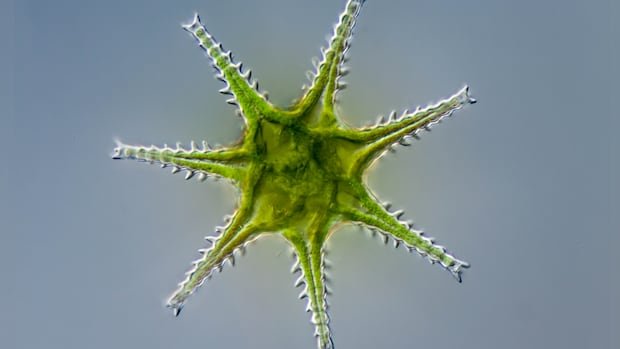
German botanist Michael Melkonian highlighted the discrepancy between restored wetlands’ outward appearance and the absence of numerous desmid algae species. Viktoria Wagner, an associate professor at the University of Alberta, described this decline as a “silent form of loss,” where species vanish from multiple locations, diminishing the species richness at individual sites.
Wagner’s concept of “dark diversity” illustrates this phenomenon, indicating the disappearance of species from specific areas, leading to a reduction in overall species diversity. Melkonian emphasized that once species vanish from a particular location, their return is challenging, with some potentially facing local extinction.
While ecosystem restoration is feasible, Wagner cautioned that success is not guaranteed and can be challenging. Understanding these patterns could guide landscape managers on preserving more species. Macdonald suggested that selective or partial harvesting rather than clear-cutting might be more conducive for the recovery of conifer forests.
Melkonian warned that the habitats for algae worldwide, along with their inhabitants, are under threat. He emphasized the critical role that algae play in global oxygen availability and food production through photosynthesis.
Preserving biodiversity necessitates more than safeguarding isolated habitats; it entails maintaining and restoring adequate habitat for species to thrive across the landscape continuously. Active interventions are crucial to combat the ongoing and continuous loss of species.
Efforts to collect and cultivate over 5,000 algae strains by Melkonian and his colleagues aim to create a repository of living organisms, preserving these species for future generations. This comprehensive approach underscores the importance of safeguarding biodiversity and emphasizes the need for ongoing conservation efforts to prevent the loss of species diversity.