
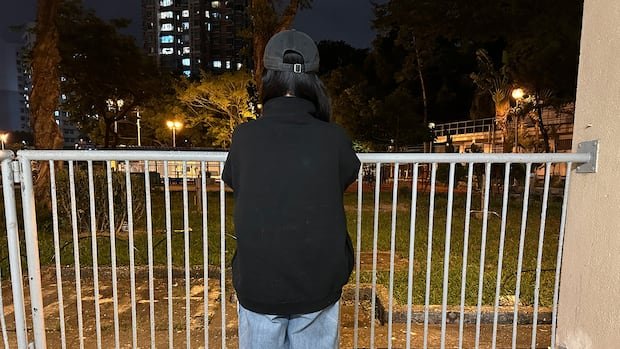

A 21-year-old law student at the University of Hong Kong, referred to as L., expressed shock upon discovering that another student had used artificial intelligence to create pornographic images of her without consent. L. initially blamed herself and stopped using social media due to fear of unauthorized access to her photos. The male student’s former partner found over 700 photos, including AI-generated explicit images, on his laptop, leading to L., B., and H. speaking out anonymously to CBC.
The trio decided to share their story in July through an Instagram account, detailing how the male student admitted to using their social media photos to generate pornographic images. Despite the university’s initial response, the students felt unsatisfied with the disciplinary measures taken. The incident highlighted the lack of legislation criminalizing AI-generated pornography creation in Hong Kong, reflecting a global challenge in regulating such content.
While Hong Kong passed laws in 2021 against publishing intimate images without consent, including deepfakes, legal experts argue that the legislation should cover creation and possession as well. Other countries like South Korea and the United Kingdom have implemented laws to tackle non-consensual deepfake content. The issue extends beyond legislation, with concerns about mainstream AI tools enabling the creation and spread of explicit deepfakes.
Efforts to combat AI-generated pornography are underway globally, with calls for stricter regulations and increased responsibility from tech platforms. Despite the challenges, advocacy groups and legal experts continue to push for comprehensive measures to address the proliferation of non-consensual deepfake content. The impact of such incidents on victims like W., who faced emotional distress and privacy violations, underscores the urgency of addressing this growing threat in the digital age.