
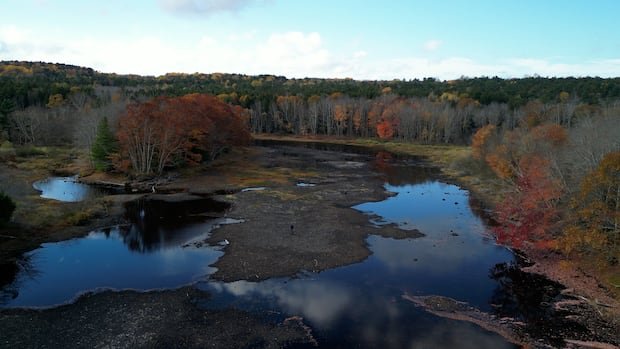

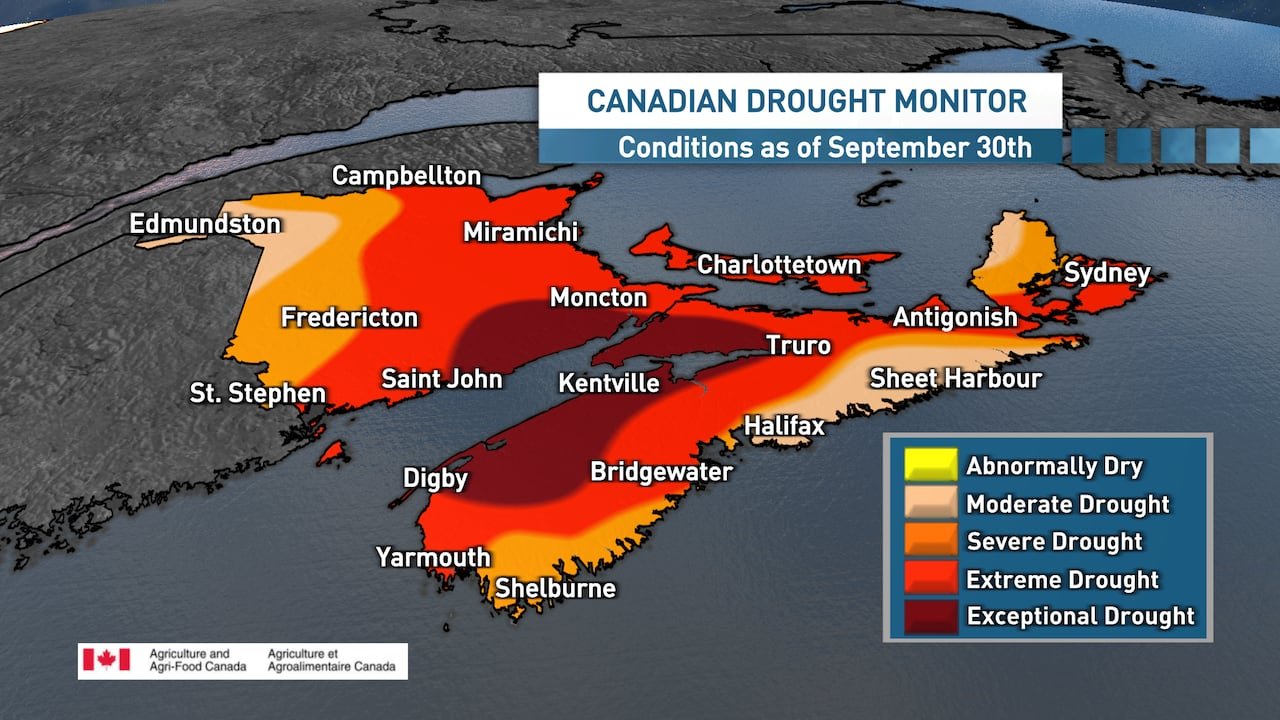
Water levels in rivers throughout the Maritimes are decreasing due to the prolonged drought, leading to wells drying up in several communities. The urgency now lies in replenishing the water table before the ground freezes during the upcoming winter season.
Reflecting on the past half-year, the region has faced a precipitation shortfall ranging between 100 to 300 millimeters. This deficit has escalated the severity of drought conditions in most parts of the Maritimes, significantly affecting agriculture and the overall water levels.
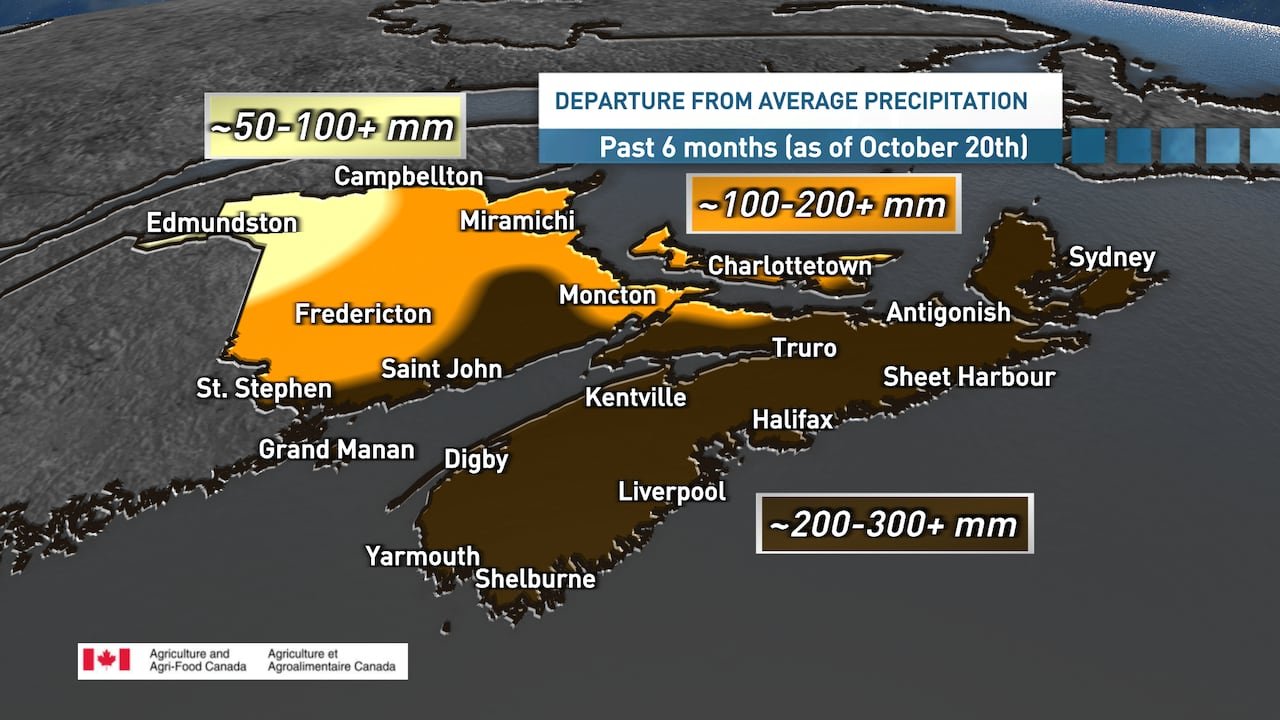
The ongoing drought has resulted in critical water scarcities and dry wells in various areas of the Maritimes. The lack of rainfall has led to a decline in water levels within underground aquifers.
As winter approaches and the ground freezes, water infiltration and recharging of the water table become significantly hindered. The frozen ground prevents efficient absorption of water, leading to increased runoff and reduced groundwater replenishment.
The upcoming weeks are crucial for initiating the process of restoring the water table. Even with some beneficial rainfall before the ground freezes, the substantial deficit necessitates a hope for a winter season with abundant snowfall for effective replenishment.
Snow accumulation during the winter serves as a natural reservoir. Although it may not immediately address the water shortage, the gradual melting of snow in spring allows for water absorption into the soil, aiding in recharging the water table.
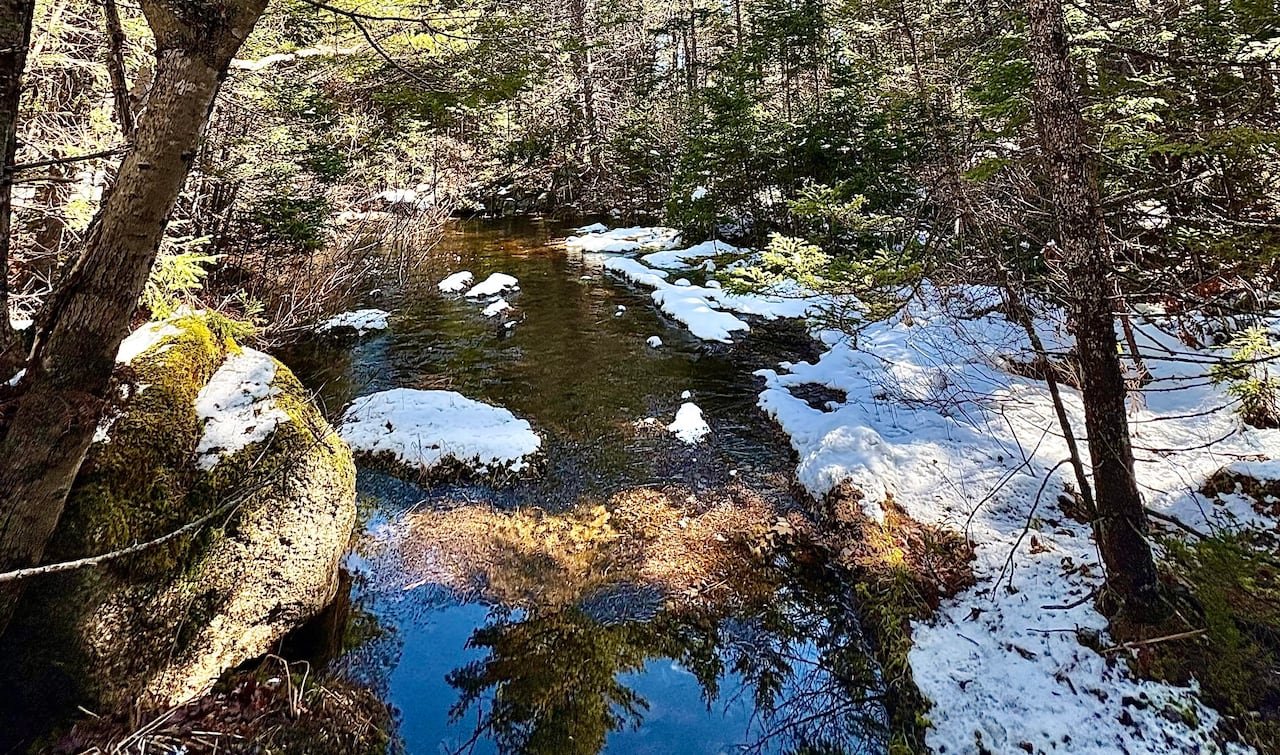
A successful winter season with substantial snowfall could aid in long-term drought recovery and benefit the upcoming year’s agricultural season. Conversely, if the drought persists into winter with insufficient snowfall, it could have severe repercussions on next year’s crops and the region’s water table.
MORE TOP STORIES
- <a class="cardWrapper-u5T0r cardWrapper-_487P noPaddingCardWrapper" data-feature-instance="similar-link" data-feature-name="link" data-contentid="9.6950649" aria-hidden="false" data-cy="type-link" href="https://www.cbc.ca/news/canada/nova-scotia/baddeck-victoria-county-shared-services-agreement-9.