
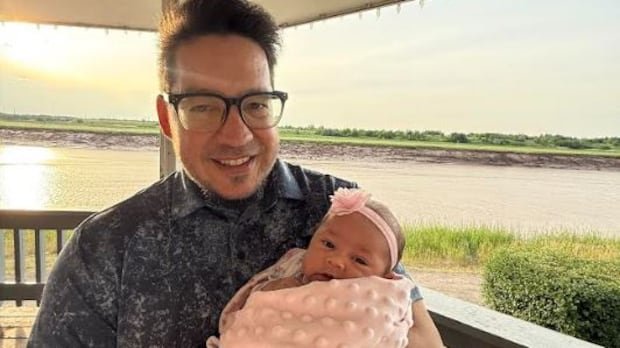

A member of the Mi’kmaw community in Elsipogtog First Nation, New Brunswick, expressed concern that his granddaughter will be the first in their family to lose Indian status eligibility. DJ Joseph, who has lived most of his life in Elsipogtog, highlighted the impact of the second-generation cut-off rule, which disqualifies his granddaughter from Indian status under the Indian Act.
Despite ongoing Senate reviews of proposed amendments to the Indian Act, advocates argue that the current revisions fail to address the issue, leaving more families like the Josephs facing similar circumstances in the future. Joseph questioned whether his granddaughter and future generations will be able to identify as Mi’kmaw due to the government’s restrictions.
Historically, Indian status was predominantly passed down through male lineage until changes in 1985 introduced a system based on status grandparents. This system categorizes individuals as either 6(1) or 6(2) status holders, determining their ability to transmit status to their offspring. Joseph, holding 6(1) status, explained how his granddaughter, born to a non-First Nations parent, is not eligible for Indian status.
Expressing frustration with the government’s role in the matter, Joseph called for reforms that would allow alternative means of passing down status or grant communities like Elsipogtog control over their membership registries. Elsipogtog currently operates under section 11 band membership, where Indigenous Services Canada manages the membership list, contrasting with section 10 band membership that permits communities to develop their own membership codes.
While Bill S-2 addresses gender discrimination in the Indian Act, it does not tackle the second-generation cut-off or recognize the sovereignty of First Nations to govern band membership. National Chief Cindy Woodhouse Nepinak of the Assembly of First Nations emphasized the need for communities to control status eligibility and advocated for removing the second-generation cut-off rule.
Woodhouse Nepinak criticized the lack of action in Bill S-2 regarding self-determination over citizenship, second-generation cut-off removal, and funding mechanisms for newly eligible status individuals. Despite her support for most aspects of Bill S-2, she stressed the importance of adequate funding to support services for those newly eligible for status.
Regarding the second-generation cut-off, Indigenous Services Canada stated that consultations are ongoing to address the issue. The agency highlighted the critical nature of resolving the 6(2) cut-off and stressed the urgency of the matter. A consultation process initiated by ISC has garnered interest from numerous First Nations and organizations seeking solutions to the second-generation cut-off, with reports expected by December.
As discussions continue regarding the second-generation cut-off and proposed legislative changes, stakeholders remain focused on finding equitable solutions to ensure the preservation of Indigenous identities and rights.