
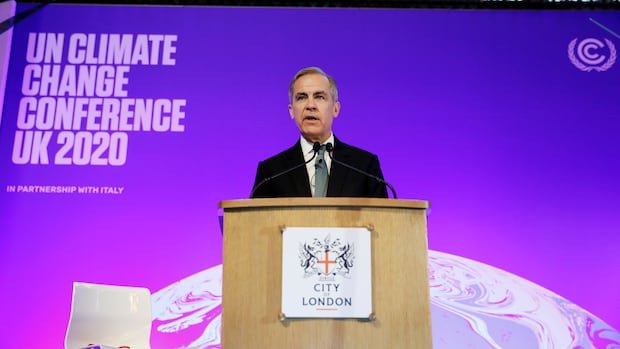

Prime Minister Mark Carney, known for his background in economics and central banking, also played a significant role in advocating for climate action before entering politics. In a notable speech delivered at Lloyd’s of London in 2015 while serving as the head of the Bank of England, Carney highlighted the pressing issues of climate change and its potential financial implications, stressing the need for urgent action.
Over the years, Carney utilized his economic expertise to raise awareness about the economic impacts of climate change and the opportunities presented by transitioning to cleaner energy sources. Despite his advocacy, he maintained that it was not his role as a central banker to endorse specific policy responses, leaving such decisions to governments.
Since assuming the position of prime minister, Carney has made controversial moves, including dismantling Canada’s consumer carbon pricing mechanism, freezing electric vehicle mandates, and potentially scrapping the emissions cap scheduled for 2030. Additionally, he has shown support for expanding LNG exports, carbon capture technology, and engaging in discussions about pipelines with political leaders.
Although Carney’s attendance at the upcoming COP30 summit remains uncertain, concerns have been raised about his shifting priorities and commitment to climate action. Environmental advocates question his recent policy decisions, considering his previous dedication to climate issues.
After his tenures at the Bank of Canada and the Bank of England, Carney transitioned to a climate-focused role at the UN in 2019 and later took on responsibilities in environmental, social, and governance (ESG) investing at Brookfield Asset Management. Reflecting on his journey, Carney acknowledged a personal awakening to the gravity of climate change during his time overseeing the insurance industry.
Carney’s involvement in the launch of the Glasgow Financial Alliance for Net Zero (GFANZ) aimed to mobilize the financial sector towards a net-zero economy. Despite initial optimism, GFANZ faced setbacks, including the collapse of its banking alliance, raising doubts about the effectiveness of Carney’s initiatives.
As prime minister, Carney has pledged to unveil a comprehensive climate plan, emphasizing the importance of addressing climate change not only as a moral obligation but also as an economic necessity for Canada’s competitiveness. However, skepticism lingers among some Liberal MPs and environmental advocates regarding the government’s commitment to robust climate policies.
With Canada’s 2030 emissions reduction target projected to be unattainable due to weakening policies, calls for stronger climate action and transparency in the government’s climate plan persist. While some express confidence in the government’s understanding of its role in climate policy, concerns about tariffs, cost of living, and the urgency of climate action continue to shape the discourse surrounding Carney’s leadership on climate issues.