

Federal budget cuts to a weather radar research team are expected to hamper the ability of meteorologists to detect approaching tornadoes, as highlighted by a University of Manitoba atmospheric science professor. Despite a previous investment of $180 million by the federal government to deploy 33 new high-quality weather radar systems across Canada a decade ago, the issue lies in the outdated software and algorithms used by forecasters to interpret radar data.
The disbanding of the dedicated radar research team, responsible for enhancing the effectiveness of the national weather radar network, raises concerns about the lack of advancements in software and algorithms. Weather researchers, including John Hanesiak from the University of Manitoba, have expressed worries over the repercussions of losing the specialized team.
In response to these concerns, Environment and Climate Change Minister Julie Dabrusin stated that the government has identified efficiencies to strengthen scientific delivery despite undergoing a comprehensive expenditure review. The minister assured that the government remains committed to providing the necessary expertise to maintain the current radar network.
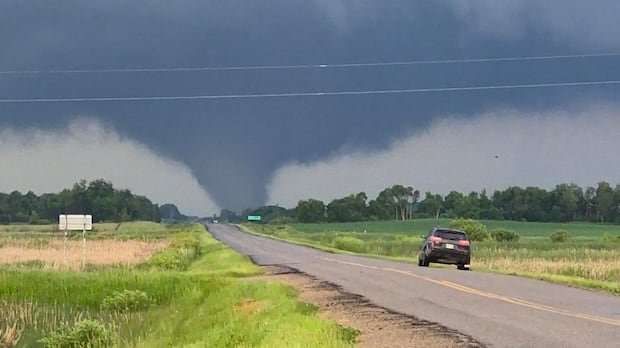
Following a tornado that struck the Whyte Ridge area in Winnipeg without prior warning, local officials and residents have raised questions about the absence of alerts. While thunderstorm warnings were issued, the sudden transformation of thunderstorms into tornadoes poses challenges for accurate prediction, as highlighted by Environment Canada spokesperson Brandon Clim.
The importance of upgrading software and algorithms to leverage the capabilities of the new radar systems is emphasized by experts. The existing technology, coupled with skilled forecasters, is deemed insufficient to effectively utilize the advanced radar technology for improved weather prediction and public safety.