
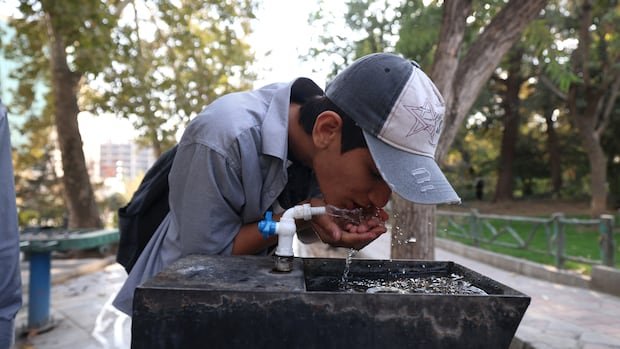

Iran is currently experiencing a severe drought crisis, with concerns raised by UN expert Kaveh Madani about the limited water supply in Tehran. Madani emphasized the imminent risk of water scarcity, indicating that the city may soon face a situation where taps run dry. This crisis is exacerbated by Iran’s ongoing water and energy issues, with record-low reservoir levels threatening water and power supplies.
The country’s prolonged drought, now in its sixth consecutive year, has led to approximately 10% of Iran’s dams drying up entirely, impacting water availability nationwide. President Masoud Pezeshkian even mentioned the possibility of evacuating Tehran if there is no rainfall by late November.
Madani attributed Iran’s water crisis to longstanding mismanagement, lack of foresight, and excessive reliance on groundwater resources. He highlighted the agricultural sector’s inefficiency, which consumes a significant portion of the country’s freshwater through outdated irrigation practices. Moreover, Iran’s energy sector heavily depends on hydropower and fossil fuels, leading to power shortages as water sources diminish.
The expert stressed the need for Iran to diversify its economy away from groundwater-dependent industries and implement sustainable water management practices. He also urged authorities to address policy shortcomings and invest in long-term solutions to mitigate the ecological and economic impacts of the water crisis.
Looking ahead, there are calls for immediate action to address the water scarcity issue in Iran. Experts warn that even if rainfall occurs, the depletion of groundwater resources will pose long-term challenges, such as land subsidence and infrastructure risks. Suggestions for short-term solutions include implementing measures to encourage population movement away from urban centers during weekends.
While acknowledging the urgency of the situation, experts remain cautious about the potential for substantial policy reforms in the near future. They emphasize the importance of transitioning towards a resilience-based water management approach and reducing reliance on unsustainable practices. The focus is on implementing strategic water allocation strategies and fostering a proactive response to the country’s water crisis.