
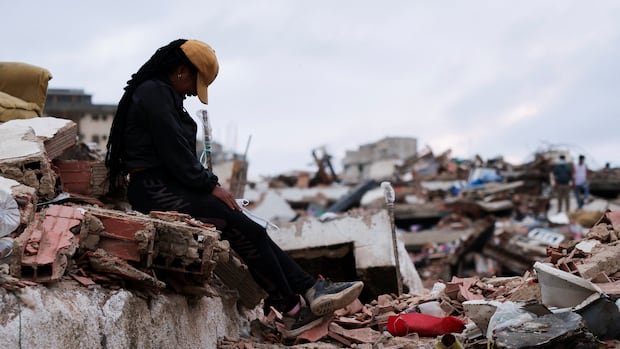

The death toll resulting from the dual earthquakes in Venezuela has climbed to 3,535, as disclosed by officials on Monday. Moreover, nearly 18,000 individuals are currently displaced following the calamity that hit the capital and adjacent coastal regions over a week ago. Legislative leader Jorge Rodriguez shared that the most recent official count documented 16,740 individuals wounded and 17,854 left without shelter after the seismic events on June 24, measuring magnitudes of 7.2 and 7.5, occurring almost simultaneously.
The updated figures highlight the magnitude of the crisis in and around Caracas and La Guaira, the coastal area most severely affected, amid escalating criticism concerning the government’s reaction. The social vice-presidency of Venezuela reported that around 12,800 people are being housed in 80 shelters throughout Caracas and La Guaira.
Dr. Mauricio Cerpa Calderon, an advisor at the Emergency Operations Center of the Pan American Health Organization (PAHO) in Washington, cautioned about the escalating health hazards in these temporary accommodations. He emphasized that these risks stem from overcrowding, poor ventilation, limited access to safe drinking water, sanitation challenges, and improper food and waste management.
Addressing immediate concerns, Cerpa stressed the need to tackle respiratory infections, diarrhea, skin ailments, wound infections, dengue fever, as well as vaccine-preventable diseases like tetanus, measles, rubella, diphtheria, pertussis, and polio in these sites.
In response to mounting frustration and criticism over the government’s handling of the crisis, Acting President Delcy Rodriguez defended the administration’s efforts. She noted the deployment of security forces immediately after the earthquakes and announced the establishment of a new military unit to enhance emergency response capabilities.
U.S. chargé d’affaires in Caracas, John Barrett, affirmed on Tuesday that Venezuela has been cooperative with U.S. requests to advance the humanitarian response. He reiterated his confidence in local authorities and highlighted ongoing initiatives to mobilize domestic and international response teams to aid affected communities.
Authorities in La Guaira were observed burying victims of the earthquakes, with coffins being transported and trenches being dug in designated areas. The Ministry of Communication and Information in Venezuela did not provide an immediate response to requests for comments. Visuals captured by Spanish newspaper El Pais displayed graves bearing names or numbers.
To manage the surge in casualties, PAHO and the World Health Organization have provided technical guidelines, body bags, and three refrigerated containers for body storage at the La Guaira port, along with two crematoriums in other locations.
The United Nations continues to escalate aid operations in collaboration with the Caracas government, with search and rescue teams and medical support still active in the affected regions. National health authorities are considering targeted vaccination campaigns in temporary shelters based on risk assessments, vaccine availability, and national protocols.