
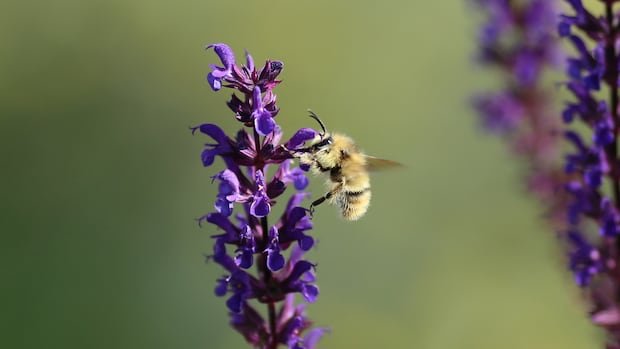

In a conversation with Jo Wimpenny on The Sunday Magazine, the discussion centered on our innate reactions to insects and the need to shift our perspectives. Wimpenny highlighted how children’s initial curiosity about insects often transforms into fear as they grow older due to societal influences. She emphasized the importance of understanding the diverse roles insects play in ecosystems beyond the negative stereotypes commonly associated with them.
Acknowledging the critical environmental functions insects serve, ecologist Michelle Tseng underscored the essential role they play in maintaining ecosystem balance. Tseng stressed that the majority of insect species are beneficial and necessary for ecosystem health, contrary to the prevailing negative perceptions. She urged a reevaluation of our attitudes towards insects as we enter the summer season, encouraging a shift from fear to appreciation of their contributions.
Wimpenny emphasized the need to recognize the varied activities of insects, noting that the common perception of certain insects as pests overlooks their beneficial roles. She highlighted how insects like wasps contribute to pollination, pest control, and ecosystem maintenance, underscoring their importance in supporting plant life and agriculture.
Grant Minkhorst shared his experience in fostering a harmonious environment in his garden through companion planting, attracting beneficial insects like ladybugs and birds to naturally manage pest populations. By embracing a more symbiotic relationship with insects, Minkhorst exemplified the benefits of coexistence and mutual support in maintaining a healthy ecosystem.
Tseng discussed the challenges posed by invasive species like spongy moths and the delicate balance required in managing them to prevent ecological disruptions. She emphasized the impact of human activities, such as pesticide use and habitat modification, on insect populations and stressed the importance of adopting sustainable practices to safeguard insect diversity.
Encouraging a mindful approach to interacting with insects, Tseng highlighted the significance of awareness and prevention in mitigating potential risks. By fostering a deeper understanding of insects and their behaviors, individuals can navigate shared environments safely and responsibly.
Incorporating Indigenous perspectives on nature stewardship and interconnectedness, Tseng emphasized the importance of viewing insects and other creatures as integral parts of the living world. By embracing a reciprocal relationship with nature, grounded in gratitude and respect, society can foster a more harmonious coexistence with insects and the environment.
Wimpenny advocated for reshaping narratives around insects, promoting empathy and understanding rather than fear and aversion. By reframing our interactions with insects and cultivating a sense of curiosity and appreciation for their behaviors, individuals can forge new connections with these often misunderstood creatures.